

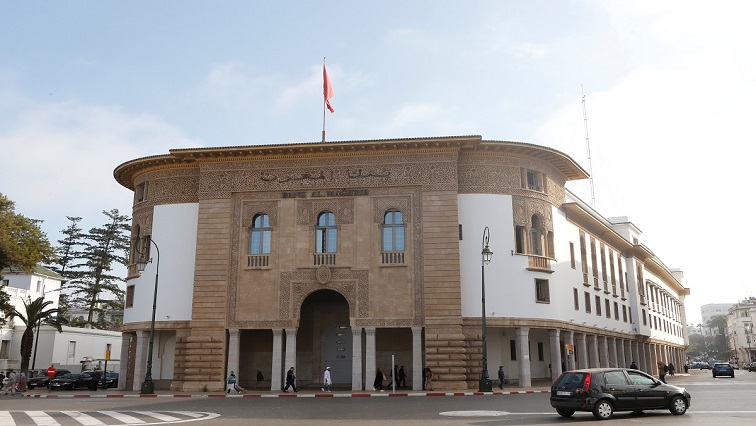
The AfDB and the Fonds d’équipement communal (FEC) signed the second loan agreement on July 22 in Rabat, strengthening cooperation aimed at supporting investment by Morocco’s municipalities.
The financing will enable FEC to continue funding sustainable, inclusive and climate-resilient infrastructure projects at local government level.
Planned investments include rural access roads, drinking water networks, urban renewal projects, educational facilities and socio-cultural infrastructure.
The operation is aimed at improving public service delivery in municipalities, particularly in rural areas where access to essential services remains a key development priority.
AfDB said the financing will help improve community access to basic services, strengthen resilience to climate change, support job creation and expand investment opportunities at local level.
The signing ceremony also included a grant agreement and a letter of intent designed to place cooperation between AfDB and FEC within a longer-term strategic framework.
AfDB will also provide technical assistance to FEC to further strengthen operational capacity and improve delivery of municipal infrastructure projects.
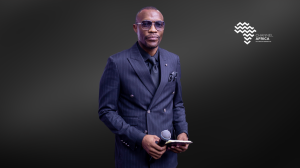
AfDB Country Manager for Morocco, Achraf Tarsim, said the agreements reflect a shared commitment to strengthening the role of municipalities in development. “These agreements reflect a strong shared ambition to go even further in supporting municipalities as key drivers of development. Our priority is to accelerate the delivery of sustainable, inclusive and resilient infrastructure for the benefit of local communities,” Tarsim said.
FEC Governor and Chief Executive Officer Omar Lahlou said the signing demonstrates growing confidence between the two institutions. “This signing reflects the deepening trust between our two institutions. The FEC and the African Development Bank share common values centred on sustainable development, placed here at the service of municipal development dynamics,” Lahlou said.
The project supports Morocco’s development priorities, including improving socio-economic conditions and quality of life for communities across the country.
AfDB said the operation is also aligned with the institution’s Four Cardinal Points, which guide support for resilient infrastructure, inclusive growth and sustainable development across member countries.
–AfDB/ChannelAfrica–


