

The six-month plan, covering June to November 2026, is built around a coordinated “One Response” approach that brings together governments, partners and communities to strengthen efforts to contain the outbreak. The initiative focuses on key areas such as surveillance, laboratory testing, infection prevention and control, clinical care, logistics and community engagement.
The plan is designed to complement national response strategies already introduced by the Governments of the Democratic Republic of the Congo (DRC) and Uganda, where cases have been reported.
WHO Director-General Dr Tedros Adhanom Ghebreyesus said effective containment would depend on coordinated action and strong partnerships. Tedros said the approach is guided by a “one plan, one budget, one team” principle, stressing that political commitment, sustained financing, and community trust are critical to controlling the outbreak.
Africa CDC Director-General Dr Jean Kaseya said the plan provides a clear framework for rapid and unified action across the continent. Kaseya said the objective is to move quickly to save lives, support affected countries and protect neighbouring states from further spread.
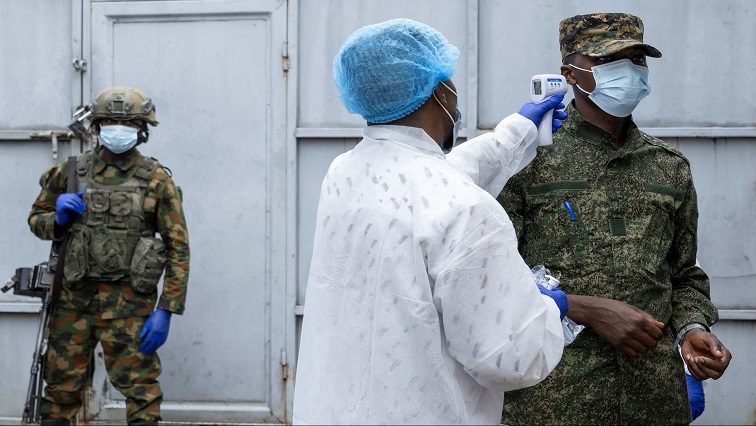
The initiative places a strong emphasis on protecting vulnerable populations, improving cross-border coordination and strengthening preparedness in at-risk countries. In at least 10 priority countries, measures are already being scaled up to enhance early detection and rapid response capacity.
The plan also comes at a time when there are no approved vaccines or treatments specifically for the Bundibugyo strain of Ebola. As a result, efforts are focused on strengthening health systems to ensure resilience while managing the outbreak.
Authorities said the plan also aims to ensure that responses to Ebola do not disrupt other ongoing public health efforts, including programmes addressing mpox, cholera and measles. Maintaining essential health services is seen as critical to preventing additional health crises.
Response operations are already intensifying in the DRC, where health authorities, supported by Africa CDC, WHO and partners, are working to contain the spread of the virus.
Africa CDC and WHO have urged Member States to strengthen screening at points of entry and improve cross-border collaboration to ensure a coordinated and evidence-based response.
The organisations said the plan draws on lessons from previous Ebola outbreaks and recent health emergencies, providing a framework not only to address the current crisis but also to strengthen Africa’s ability to prevent, detect and respond to future health threats.
–WHO/ChannelAfrica–


