
Under the theme, “Reflection on research and development efforts of traditional medicine towards achieving universal health coverage in the African Region,” health leaders, researchers and traditional health practitioners examined pathways from research to wider community access.
The World Health Organisation (WHO) Global Traditional Medicine Centre and WHO Regional Office for Africa convened the discussion, focusing on evidence, innovation, regulation, investment and community trust.
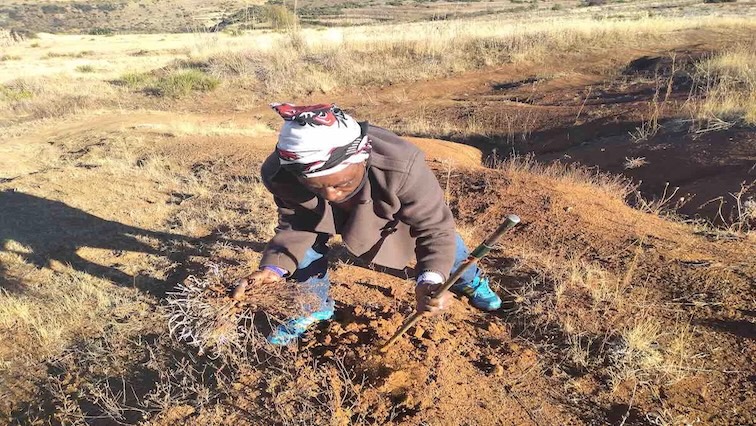
African Traditional Medicine Day commemorates a resolution adopted by the WHO Regional Committee for Africa during a meeting in Ouagadougou, Burkina Faso, in 2000. The annual event recognises the role of traditional medicine in providing accessible and culturally grounded healthcare, particularly in rural communities.
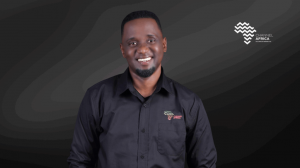
Nigeria Natural Medicine Development Agency Director-General Professor Martins Emeje and Ikorodu Kingdom Baaloro Chief Temitayo Faruq Erogbogbo participated in the discussion. Kenya community-based youth researcher and entrepreneur Fionah Njeri moderated the conversation.
“Trust is infrastructure,” Erogbogbo said, noting that traditional health practitioners often serve as the first point of healthcare for many communities.
Participants said traditional medicine remained an evolving knowledge system capable of strengthening primary healthcare and supporting universal health coverage when backed by research, regulation and investment.
Africa holds extensive traditional health knowledge and biodiversity resources. However, wider benefits will require stronger cooperation among researchers, policymakers, entrepreneurs, communities and traditional health practitioners, alongside increased domestic investment in research and development.
Speakers also called for better documentation of traditional knowledge. “Knowledge that is not written down will be lost,” participants warned.
The WHO Global Traditional Medicine Strategy 2025-2034 identifies research, regulation, integration and collaboration as priorities for developing evidence-based traditional medicine. Safe integration could support prevention, self-care and primary healthcare while complementing biomedical services.
Several African countries are marking African Traditional Medicine Day with national activities. Cameroon planned decentralised commemorations, while Madagascar and Mozambique also scheduled events. South Africa planned a national event involving the SA Minister of Health and a host province.
Zimbabwe scheduled a commemoration in Marondera, Mashonaland East Province, with Zimbabwe First Lady Dr Auxilia Mnangagwa expected to participate.
Participants called for investment in scientific evidence, support for traditional health practitioners and responsible use of Africa’s knowledge and biodiversity to expand access to quality healthcare.
–WHO/ChannelAfrica–





