


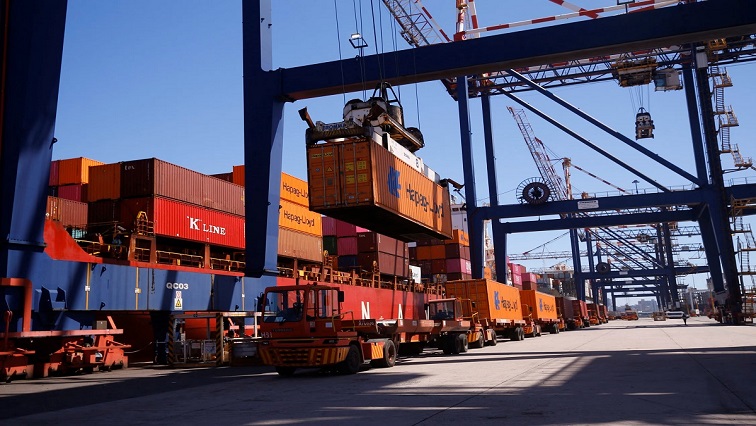
Africa Business Council President Dr Amany Asfour made the call after a series of high-level economic meetings in Egypt, including the Alamein Africa Forum and Congress of Africa’s Mineral Resources. “My number one priority is to see how we transform Africa from a mere exporter of raw materials towards industrialisation and made-in-Africa products,” Asfour said.
The meetings brought together policymakers, investors, development partners and entrepreneurs to discuss intra-African trade, industrialisation, private-sector growth and implementation of the African Continental Free Trade Area.
Asfour said small and medium-sized enterprises, women and young people needed greater involvement in policy decisions and Africa’s industrial development.
The Africa Business Council’s strategy rests on strengthening businesses, advocating supportive policies and developing value-added products.
African companies require financing, technology, skilled workers, reliable energy, infrastructure, certification and harmonised regulations to compete effectively, Asfour said.
“Every country cannot industrialise everything,” Asfour said. “We have to build on the resources present in each country and the expertise available across the continent.”
Regional value chains could allow countries to manufacture different components before assembling final products within Africa.
Asfour also called for at least 30% of government procurement to be allocated to small businesses, including enterprises owned by women and young people.
Africa should shift women’s economic participation from basic trading towards processing and manufacturing, particularly in agriculture.
Asfour cited opportunities in shea butter and cocoa, where African countries export raw commodities but capture only a small part of the value generated by finished products.
Growing global demand for critical minerals provides another opportunity for industrialisation. “If we talk about lithium, who is going to industrialise the lithium batteries?” Asfour said.
African countries should map mineral resources, identify financing and technology requirements and establish regional industrial parks capable of processing copper, cobalt, lithium and iron ore.
External investment should support equal partnerships, employment, value addition, skills development and technology transfer.
“We have finance on the continent. We have technology on the continent,” Asfour said. “No more exploitation of our raw materials.”
Asfour said geopolitical disruptions had increased awareness that Africa needed stronger domestic industries and reduced dependence on imported products.
–ChannelAfrica–


