

The five-day train-the-trainer course in Alexandria, Egypt, focused on implementing and enforcing the International Maritime Dangerous Goods Code.
The mandatory Code governs dangerous goods transported in packaged form and sets requirements for packing, container handling, stowage and the separation of incompatible substances.
The measures are intended to protect crews, port employees, ships and the marine environment. “Shipping is an inherently dangerous activity,” International Maritime Organisation (IMO) Representative Ivaylo Valev said.
“Ships and those working on board them have to cope with the worst natural elements.”
Valev said port personnel also faced difficult working conditions and commercial pressure to process vessels quickly despite the varied and complex nature of cargo.
The IMO organised the course with the Maritime Transport and Logistics Sector of Egypt’s Ministry of Transport.
Twenty-nine government officials responsible for national implementation and enforcement attended.
Participants represented Algeria, Djibouti, Egypt, Jordan, Kuwait, Lebanon, Libya, Morocco, Sudan, Tunisia, the United Arab Emirates and Yemen.
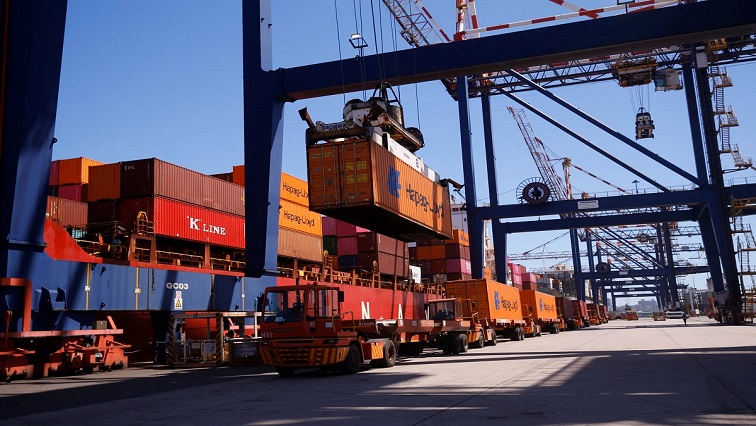
The training included a visit to the Port of Alexandria, where participants observed inspection and sampling procedures and exchanged operational practices.
Officials also examined the different responsibilities of flag, port and coastal states when regulating dangerous maritime cargo.
The course highlighted the importance of national legislation in translating international requirements into enforceable domestic rules.
“IMO’s regulatory process does not suffice in itself to ensure enhanced safety and accident prevention,” Valev said. “It must be matched by training.”
The organisation said effective compliance required qualified seafarers and shore-based personnel who understood cargo documentation, inspections, emergency procedures and segregation requirements.
The course equipped participants to train other officials in respective countries, extending knowledge beyond the 29 representatives who attended.
The organisation said stronger regional cooperation could support a harmonised compliance framework, improve shipping safety and help prevent pollution.
Effective enforcement of the Code would depend on continued investment in personnel, national legislation and coordination among maritime and port authorities, the organisation concluded.
–IMO/ChannelAfrica–





