
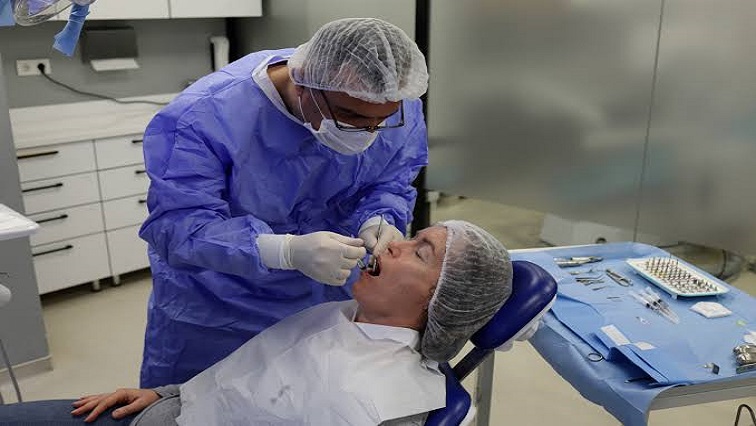
African countries are being called upon to urgently accelerate efforts to phase out mercury-containing dental amalgam fillings to safeguard public health and prevent toxic environmental contamination.
The renewed push aligns with global commitments under the Minamata Convention on Mercury, which targets a complete phase-out of dental amalgam by 2034. Health and environmental experts recently convened in Senegal to outline strategies for deploying mercury-free alternatives, updating clinical training for dental practitioners, and establishing safe disposal networks for toxic waste.
Speaking on the health and ecological hazards of traditional fillings, Dr Yuka Makino, Technical Officer for Oral Health at the World Health Organization (WHO) Regional Office for Africa, highlighted that tooth decay affects over 2.5 billion people globally, making the transition to safer materials a massive public health undertaking. According to Makino, dental amalgam presents significant toxic risks due to its physical composition. “Dental amalgam has been widely used to treat tooth decay, but it contains about 50% mercury by weight. Mercury is a hazardous substance that can affect human health and contaminate air, water, and soil when dental amalgam waste is not properly managed. Therefore, WHO supports the transition toward mercury-free, effective, and affordable oral healthcare.”
Despite global commitments, progress across the continent remains slow. Only 13% of countries in the WHO African region had met key phase-down targets by 2024, compared to 31% globally. Makino noted that according to regional assessments, African nations face interconnected structural barriers, including shortages of alternative materials like glass ionomer cements and resin composites, high procurement costs, limited clinical training, and weak hazardous waste management systems.
Highlighting regional progress, Senegal has emerged as a key model after successfully combining practitioner training, inter-ministerial policy frameworks, and wastewater infrastructure to catch mercury before it enters municipal systems. According to Makino, Senegal’s success demonstrates that phasing out amalgam requires a comprehensive health-system approach rather than a simple material swap.
“Moving away from dental amalgam is not only an oral health issue, it is also an environmental issue. An important lesson learned from Senegal is to involve both health and environmental sectors from the beginning. Countries need to consider the whole waste management chain, from the dental facility through collection and safe storage to environmentally sound final management.”
To ensure African countries meet international deadlines without compromising healthcare access, WHO is urging governments to enact strict regulatory bans on the import and export of amalgam, integrate preventive oral health measures into national policy, and ensure that mercury-free alternatives remain financially accessible to all patients.
–ChannelAfrica–