


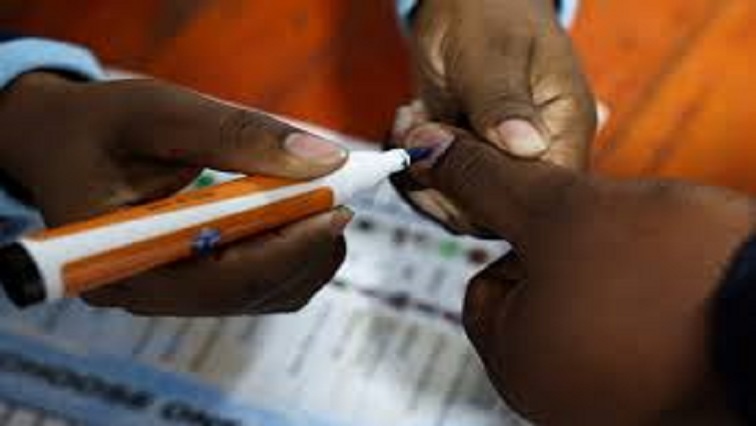
A new Afrobarometer survey suggests that although most Africans still believe elections are the right way to choose leaders, confidence in how those elections are conducted is steadily eroding.
Across the 37 countries covered, nearly three quarters of respondents said leaders should be selected through regular, open and honest elections. Yet this support has weakened over the past decade, dropping from 83% to 75% in the countries tracked over time. At the same time, clear majorities continue to reject alternatives to democratic rule, with strong opposition to both dictatorship and one-party systems, and sustained backing for multiparty competition.
Participation in elections remains relatively high. Around seven in 10 citizens reported voting in their most recent national poll, with turnout strongest among older people, rural communities and men. West Africa recorded the highest levels of participation, while North Africa showed the lowest. Those who see their country as a democracy, and those who feel aligned to a political party were significantly more likely to cast a ballot. Among those who did not vote, many cited not being registered or simply lacking interest.
Even so, perceptions of the quality of elections are less encouraging. Just over half of respondents described their last national election as largely free and fair, a figure that has declined in recent years. More than a third said their most recent poll did not meet that standard, with particularly high levels of scepticism in countries such as Gabon. While most people say they feel free to vote and to join political organisations, these perceptions vary sharply from country to country.
Concerns about intimidation and ballot secrecy also emerged. One in five respondents said they feared political violence or intimidation during election campaigns. Close to a third believe it is possible for powerful individuals to discover how they voted, a perception that raises doubts about the secrecy of the ballot. Such fears were more pronounced in several countries across West, East and Southern Africa.
Trust in electoral management bodies remains notably low. Fewer than four in 10 respondents said they trust their national election commissions, while a majority expressed little or no confidence in these institutions. Distrust was more common among urban residents and younger people than among rural and older citizens.
The survey also highlights frustration with elected leaders. Although most respondents believe public officials should prioritise voters’ demands, only a small minority feel that members of Parliament regularly listen to ordinary citizens. Many said their representatives either never engage or do so only occasionally.
Overall, the findings point to a continent where faith in the principle of elections remains strong, but doubts about how they are managed and whether they translate into responsive governance are growing. Strengthening electoral institutions and improving accountability, the survey suggests, will be key to sustaining confidence in democratic processes.
–ChannelAfrica–


