

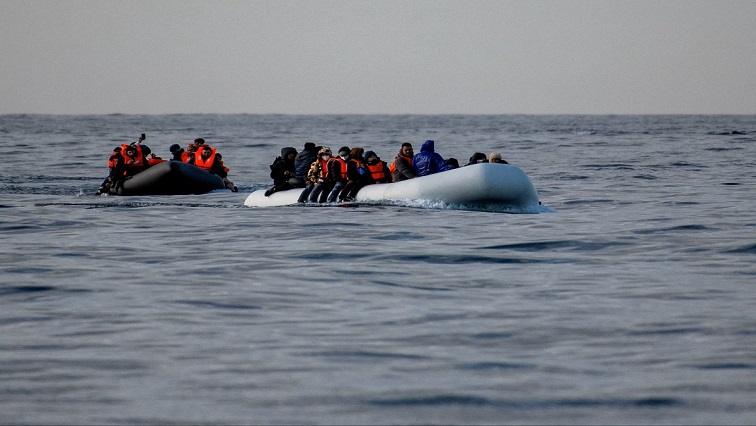
International Organisation for Migration Director-General Amy Pope issued the warning at the opening of the International Dialogue on Migration in Geneva.
Economic uncertainty, conflict and climate pressures were straining governments and communities, while misleading narratives spread through social media and generative artificial intelligence. “People’s concerns are real, and we have to take them seriously,” Pope said.
“Facts and figures alone won’t win back public confidence. Institutions have to listen, and they have to act, even when what they hear is uncomfortable.”
The spread of false information was turning public anxiety into suspicion and migrants into targets.
Declining trust also limited governments’ ability to cooperate on migration while increasing dangers facing people travelling across borders.
More than 304 million people live outside countries of birth, including 168 million migrant workers.
Almost half of international migrants are women and girls, many facing heightened risks of discrimination, violence and exploitation.
Remittances sent home by migrants support about 1 billion people, equivalent to roughly one in eight people worldwide. The money helps families pay for food, education and healthcare.
Pope called for coordinated planning among countries along common migration routes.
Governments should expand regular migration pathways, strengthen protection, manage borders humanely and support dignified returns.
Communities repeatedly affected by floods, failed harvests and other climate pressures also required early investment, allowing residents to remain safely where possible and migrate safely where necessary.
Reliable data and the experiences of affected communities should guide migration policy. Technology used in migration systems should protect personal information and prevent discriminatory bias.
“Trust is earned one step at a time,” Pope said. “Every agreement we honour, and every person we treat fairly, makes cooperation stronger.”
–IOM/ChannelAfrica–





