


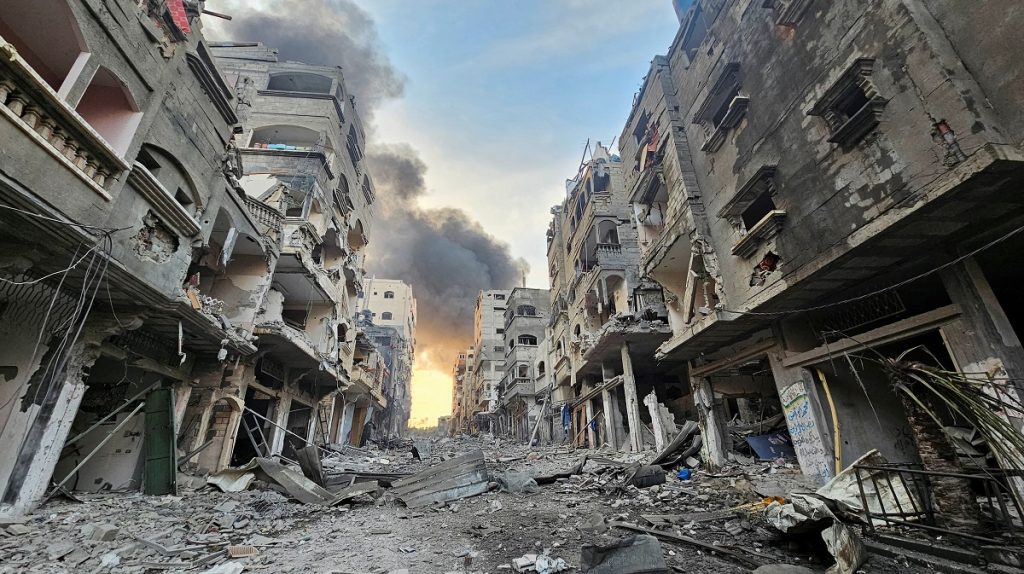
In a strongly worded statement issued on Tuesday, the Humanitarian Country Team, which brings together senior United Nations (UN) officials and more than 200 local and international aid organisations, urged the international community to press Israel to reverse measures that are severely constraining humanitarian work, particularly in the Gaza Strip.
Central to the concern is a new registration system for international non-governmental organisations introduced earlier this year. Aid agencies argue that the process is vague, politicised and impossible to comply with without compromising humanitarian principles of neutrality and independence.
Under the current framework, dozens of organisations face deregistration by the end of December, followed by the forced closure of their operations within weeks.
“These organisations are not optional extras,” the statement warned, adding that the humanitarian response in Gaza would not survive if international NGOs are pushed out.
International NGOs, working alongside UN agencies and Palestinian partners, deliver close to $1 billion in assistance each year across the territory. However, millions of dollars’ worth of food, medical supplies, hygiene items and shelter materials remain stuck outside Gaza, unable to reach families in urgent need.
The warning comes as winter conditions worsen and amid fears that further restrictions could destabilise the already fragile ceasefire.
Aid agencies stressed that the loss of international NGOs cannot be absorbed by the UN or local organisations, particularly after existing Israeli restrictions on the Palestine refugee relief agency have stretched humanitarian capacity to breaking point.
According to the Humanitarian Country Team, international NGOs support much of Gaza’s essential survival infrastructure. This includes operating field hospitals and primary healthcare clinics, providing clean water and sanitation, distributing emergency shelter, and treating children suffering from severe acute malnutrition.
If forced to withdraw, one in three health facilities in Gaza would close almost immediately, cutting off medical care for tens of thousands of people.
Aid leaders said they have repeatedly raised these concerns with Israeli authorities and sought practical solutions to keep operations running, but without success.
Humanitarian access is a legal obligation, not a political choice, the agencies stressed, calling for rapid and unimpeded aid delivery and guarantees that humanitarian organisations can operate safely and independently.
Without swift action, they warned, the consequences for civilians in Gaza would be catastrophic.
–UN/ChannelAfrica–


