


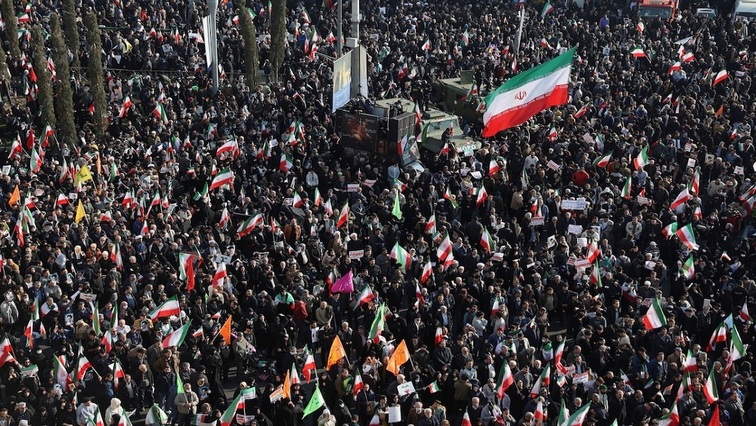
Following an exchange of some of the heaviest bombardments in the region yet on Tuesday, the combatants renewed their attacks on opposing targets in Israel, Lebanon and the Gulf as the war stretched into its 12th day.
The conflict has effectively blocked vital shipping lanes through the Strait of Hormuz, halting the flow of one-fifth of the world’s fossil energy supplies from the petroleum-rich Gulf. After a major surge in crude oil prices on Monday, global energy prices have tumbled and stock markets rebounded as investors bet that US President Donald Trump would seek to end the war soon. Adding to market optimism, the International Energy Agency has proposed the largest release of oil reserves in its history to further stabilise crude prices, the Wall Street Journal reported on Tuesday, citing officials familiar with the matter. Reuters could not immediately verify the report.
Nevertheless, Iran’s Islamic Revolutionary Guard Corps vowed to block oil shipments from the Gulf unless US and Israeli attacks ceased. And air strikes between the two sides showed no immediate sign of abatement. A cargo vessel was hit by an unknown projectile in the Strait of Hormuz, resulting in a fire onboard and prompting the crew to evacuate and request assistance, according to the United Kingdom Maritime Trade Operations on Wednesday. The maritime body also said it had received a report of a separate incident off the UAE coast, with the master of a container vessel reporting it sustained damage from a suspected but unknown projectile.
–Reuters–


