


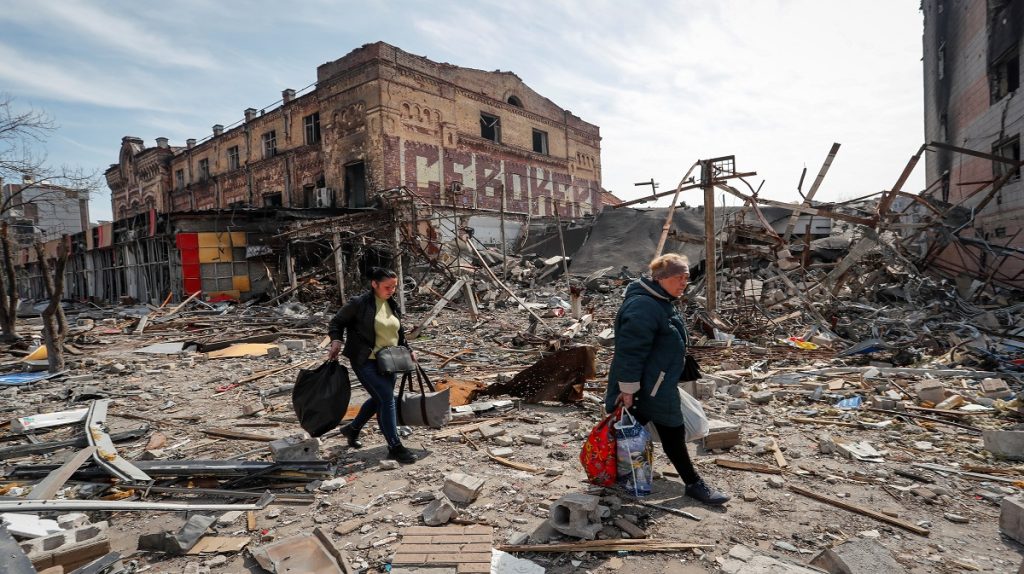
This, with humanitarian agencies warning that the approaching winter is increasing risks for communities along the frontlines.
Dozens of civilian casualties were reported over the weekend and into Monday, with children among the injured, according to United Nations (UN) Spokesperson Stéphane Dujarric. The hardest-hit areas include Dnipro, Donetsk, Kharkiv, Kherson, Kyiv, Sumy and Zaporizhzhia.
Dujarric said evacuations from frontline communities in the Donetsk region were ongoing, with more than 900 people relocated between October 24 and 26. He noted that the Ukraine Humanitarian Fund had released $13 million since May to support local and national NGOs in the Kharkiv region, reaching nearly 76 000 residents.
The UN children’s fund (UNICEF) has raised concerns about winterisation efforts, stressing the urgent need for heating, warm clothing and other supplies for families along the frontlines.
“The attacks on infrastructure are impacting basic services, from hospitals to water utilities to district heating, making everyday life extremely difficult for children,” said Kenan Madi, Chief of Field Operations for UNICEF Ukraine.
Some rural areas are in total blackout, Madi added, describing conditions as “really dark, you can’t see anything”.
Despite these challenges, UN agencies continue providing assistance. UNICEF ensured access to safe drinking water for 300 000 people in September and over three million this year. The agency also supports 150 learning centres and has rehabilitated more than 100 schools and kindergartens since 2022.
Mental health services remain a priority, with over 300 000 people receiving psychosocial support this year. Madi said many families, particularly those with children with disabilities, continue to struggle with daily life amid worsening conditions.
–UN/ChannelAfrica–


