

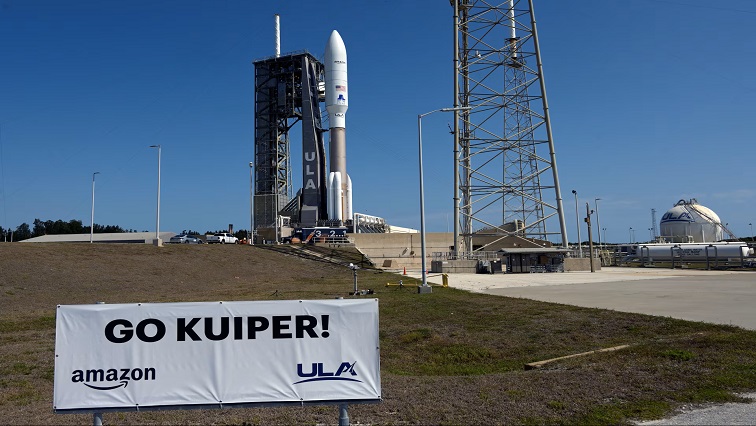
Speaking on the development, MyBroadband editor Jan Vermeulen said Amazon’s entry into satellite internet is not unexpected, given that Project Kuiper has been in development for several years. However, the company’s choice of initial markets, including Kenya and Nigeria, suggests a strategic race between East and West Africa to host critical infrastructure for rollout.
Satellite gateways, or earth stations, are central to the performance of low Earth orbit satellite networks. Vermeulen explained that while satellites transmit data in space, they must connect to ground-based infrastructure to deliver internet services. The closer users are to these gateways, the lower the latency and the better the quality of the connection.
This gives Amazon an opportunity to compete on performance, particularly in underserved regions where fibre infrastructure is limited. By placing ground stations strategically, the company could improve speeds and reliability for users, making satellite broadband more viable for businesses and households.
However, Starlink currently holds a significant advantage. The company has already deployed services across multiple African countries and established a strong presence as demand for high-speed internet grows. Its early entry has allowed it to build brand recognition, customer bases and regulatory footholds.
Vermeulen said Amazon’s challenge will be less about technology and more about scale and timing. While modern aircraft-like satellite systems are highly efficient, the rollout of hardware, regulatory approvals and service networks takes time. With Project Kuiper still in earlier deployment stages, Amazon is likely playing a long-term game rather than competing immediately.
–ChannelAfrica–





