

The findings underline deepening vulnerabilities in two of southern Africa’s most resource-dependent economies, with Mozambique recording the highest global ratios of interest payments to exports and to national income in both 2023 and 2024.
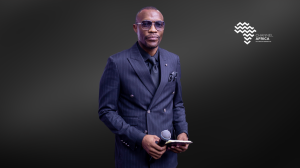
The report has raised renewed concern among analysts, including Policy and Research Advisor Helio Guiliche, who argues that the structure of both economies leaves them highly exposed to external shocks. Speaking to Channel Africa, he noted that Angola and Mozambique rely heavily on oil and gas revenues, making government finances extremely sensitive to fluctuations in global commodity prices.
Guiliche explained that when oil or gas prices fall, expenditure pressures rise while revenues decline, forcing governments to borrow more. As a result, large portions of natural resource earnings are increasingly diverted towards servicing debt instead of supporting public investment or social needs.
Mozambique’s vulnerabilities, he added, have been compounded by the conflict in Cabo Delgado, which has disrupted major gas investments in the Rovuma Basin. Long-awaited production has been repeatedly delayed, undermining expectations that liquefied natural gas exports would stabilise the economy, strengthen the sovereign wealth fund and reduce borrowing needs. “The conflict is creating political and social instability, and the country is not responding well to such situations,” Guiliche noted.
In both Mozambique and Angola, debt distress is driven by a mix of domestic and external borrowing. Guiliche argued that reliance on the International Monetary Fund and the World Bank has limited policy autonomy, contributing to what he described as a long-term cycle of dependence.
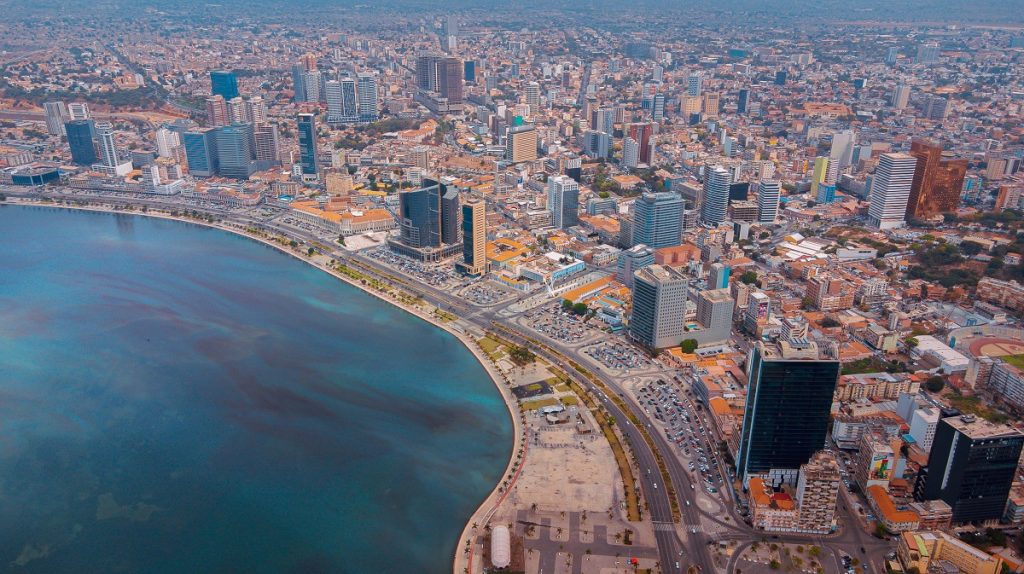
Turning to Angola, he said two decades of oil-fuelled growth masked structural weaknesses that became apparent when international prices slumped. Heavy public spending and large-scale investments during the administration of former President Eduardo dos Santos increased debt exposure, leaving the state vulnerable when revenues contracted.
China’s role as a major lender has also intensified pressures, particularly through oil-backed loans. While Beijing has funded large infrastructure projects, Guiliche warned that such arrangements come with significant long-term concessions, deepening Angola’s dependence on external actors.
He questioned whether International Monetary Fund programmes are alleviating debt vulnerabilities, arguing that loan conditions often impose political and economic constraints. Instead, he said African governments should prioritise domestic revenue mobilisation, stronger governance, and diversification to avoid repeating cycles of dependence.
–ChannelAfrica–


