

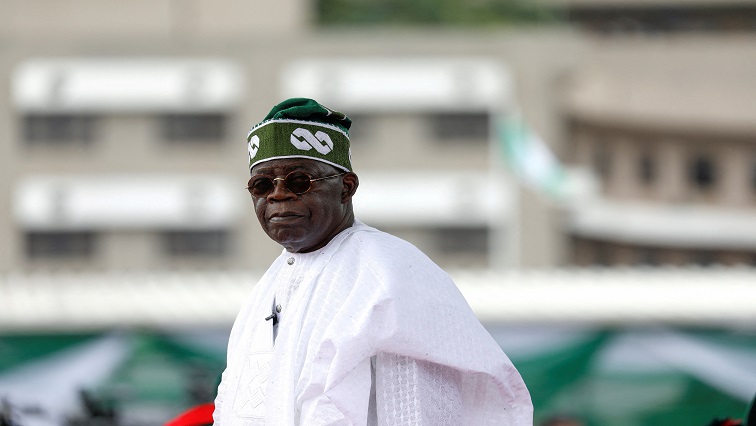
As campaigning for January’s elections begins on Wednesday, President Bola Tinubu’s pitch for a second term faces a politically fraught question, are Nigerians better off after more than a decade of rule by his All-Progressives Congress (APC)?
The answer could shape the presidential contest against former Vice President Atiku Abubakar and Peter Obi, who have built their appeal on widespread frustration over economic hardship and insecurity.
The main challengers argue the APC’s nearly 12 years in power have left Africa’s most populous country poorer, more indebted and no safer than when the party swept into office in 2015, then under the leadership of Muhammadu Buhari.
For Tinubu, nicknamed “T-Pain” by many Nigerians grappling with soaring living costs, the election will test whether voters are willing to endure short-term pain for the promise of longer-term gains.
So far, many appear unconvinced.
“The APC’s tenure from 2015 to 2026 makes for unhappy reading and Tinubu’s reforms have particularly brought severe pain,” Cheta Nwanze, a partner at Nigeria-based risk advisory SBM Intelligence, said.
“Our voter tracker shows nearly 80% of Nigerians say the country is headed in the wrong direction with 45% citing economic hardship and insecurity as their top concern.”
Few Nigerian presidents have moved as quickly on economic policy as Tinubu. He scrapped a costly decades-old fuel subsidy and twice devalued the Naira.
The reforms delivered changes long sought by investors and international lenders, but also unleashed a shock across households, fuelling protests and what many Nigerians describe as the worst cost-of-living crisis in a generation.
Tinubu has defended the measures as necessary to unwind years of state intervention. His government cites higher revenues and stronger investor interest as signs the reforms are working.
–Reuters–





