


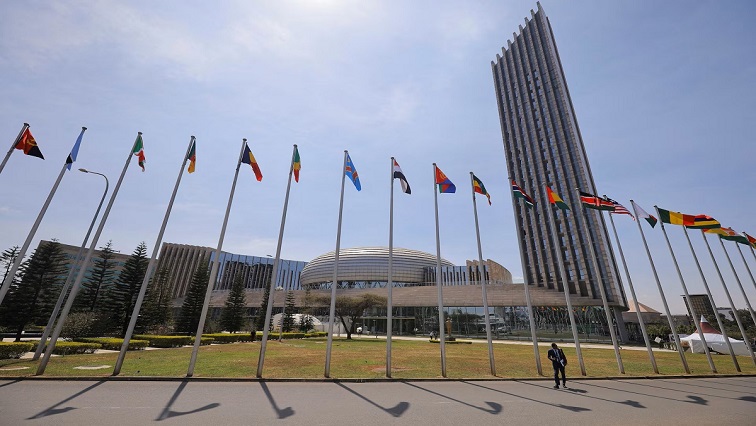
The Continental Education Strategy for Africa Education in Emergencies and Resilience Cluster was launched at African Union headquarters in Addis Ababa, Ethiopia, on September 18.
The AU Commission (AUC) established the Cluster with Member States, the United Nations (UN) High Commissioner for Refugees (UNHCR), Save the Children International and development partners.
The Cluster will help countries protect learners and educators, maintain schooling during emergencies and strengthen education systems before, during and after crises.
AUC Head of Education Sophia Ashipala said the mechanism marked a shift from short-term emergency responses towards prevention, preparedness and sustainable recovery.
Ashipala said educational crises weakened foundational learning and caused prolonged exclusion, particularly among displaced learners and children with disabilities.
Protecting education during emergencies was “not only a humanitarian imperative but also fundamental to peace, security, human capital development and the achievement of Agenda 2063”, Ashipala said.
The Cluster will focus on protection, learning continuity, recovery, inclusion, financing and accountability.
Schools and universities should remain safe civilian spaces, while attacks affecting learners, teachers and education infrastructure should be investigated.
The AU said flexible teaching models, digital and low-technology distance learning, contingency plans and transferable academic records would help displaced learners continue their education.
Foundational learning, catch-up programmes and accelerated secondary education will target refugees, internally displaced people, returnees and other vulnerable learners.
The AU said the Cluster would also support accelerated learning initiatives for children outside school in the Democratic Republic of Congo, Nigeria and South Sudan.
Member States will be encouraged to integrate emergency education and resilience into national policies, budgets, data systems and existing coordination mechanisms.
UNHCR Representative to the AU and UN Economic Commission for Africa Hervé Kuate said refugees and internally displaced learners should be integrated into national education systems from the earliest stages of displacement.
Kuate described teachers in refugee-hosting and fragile communities as “the frontline guardians of educational resilience”.
The launch endorsed a 2026-2028 work plan, confirmed governance arrangements and identified Member State focal points.
The AU said the continental Community of Practice will support data sharing, technical exchanges and peer learning.
The AUC said the mechanism should strengthen existing national and regional systems rather than create parallel structures.
–AU/ChannelAfrica–


