


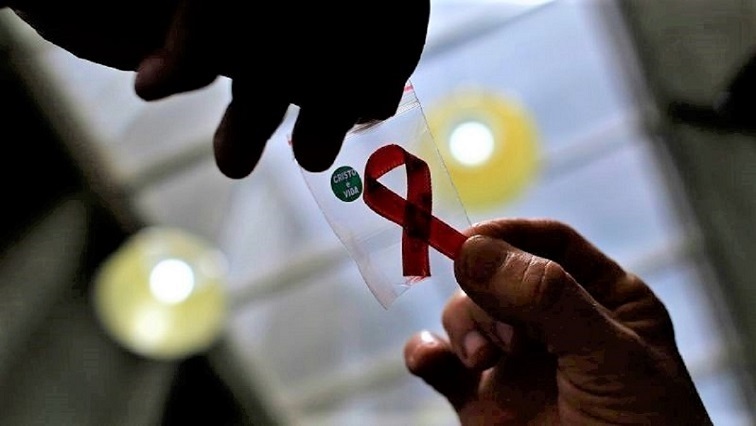
Speaking at the Ministerial Meeting on Ending AIDS by 2030, which concludes on Wednesday in Accra, Ghana, AU Commissioner for Health, Humanitarian Affairs and Social Development Amma Twum-Amoah said the continent must confront the human realities behind health statistics.
Twum-Amoah said no single country or institution can address Africa’s health challenges alone. “Wisdom is like a baobab tree; no one person can embrace it alone,” Twum-Amoah said.
Twum-Amoah said Africa has made progress, with millions of people living with HIV now accessing treatment, malaria prevention expanding and maternal and child survival improving. “These gains deserve recognition, but they cannot become an excuse for complacency,” Twum-Amoah said.
According to Twum-Amoah, nearly two-thirds of all people living with HIV are in sub-Saharan Africa, while tuberculosis continues to affect millions because of poverty, malnutrition, overcrowding, displacement and poor access to diagnosis and treatment.
Africa also carries about 94% of global malaria cases and 95% of malaria deaths. “The maternal mortality burden is equally unacceptable,” Twum-Amoah said.
In 2023, sub-Saharan Africa accounted for about 70% of maternal deaths globally, amounting to an estimated 182 000 women. Twum-Amoah said most of these deaths are preventable and progress must accelerate twelvefold to meet 2030 targets.
Twum-Amoah said Africa also carries close to 40% of the global burden of neglected tropical diseases, while non-communicable diseases, including cardiovascular disease, diabetes, cancer, chronic respiratory illness and mental health conditions, are rising rapidly. “Our people do not experience their health needs in vertical programmes. Our systems must therefore respond to the whole person, not merely to a single disease,” Twum-Amoah said.
Twum-Amoah said the AU Roadmap to 2030 and Beyond provides the main vehicle for transformation by focusing on health equity, access to medicines, local manufacturing, health security, sustainable financing and integrated service delivery.
Twum-Amoah called for stronger domestic health financing, better public financial management and progress towards the Abuja commitment to allocate at least 15% of national budgets to health. “Health is not consumption. Health is productive investment,” Twum-Amoah said.
Twum-Amoah also called for stronger African health sovereignty through local pharmaceutical production, pooled procurement, regional value chains and faster regulatory harmonisation through the African Medicines Agency. “Africa must not remain at the end of the queue for life-saving products,” Twum-Amoah said.
Twum-Amoah said countries must invest in doctors, nurses, midwives, pharmacists, laboratory workers, epidemiologists and community health workers while addressing poor conditions that drive migration.
Twum-Amoah also linked health to water and sanitation, saying safe water and hygiene are essential for infection prevention, maternal health, nutrition and human dignity. “A health facility without safe water is not fully functional. A maternity ward without adequate sanitation is not safe,” Twum-Amoah said.
Twum-Amoah urged ministers to agree on practical, financed and measurable actions for consideration by Heads of State and Government. “Our task is not to produce more commitments, but to honour those already made,” Twum-Amoah said.
–AU/ChannelAfrica–


