


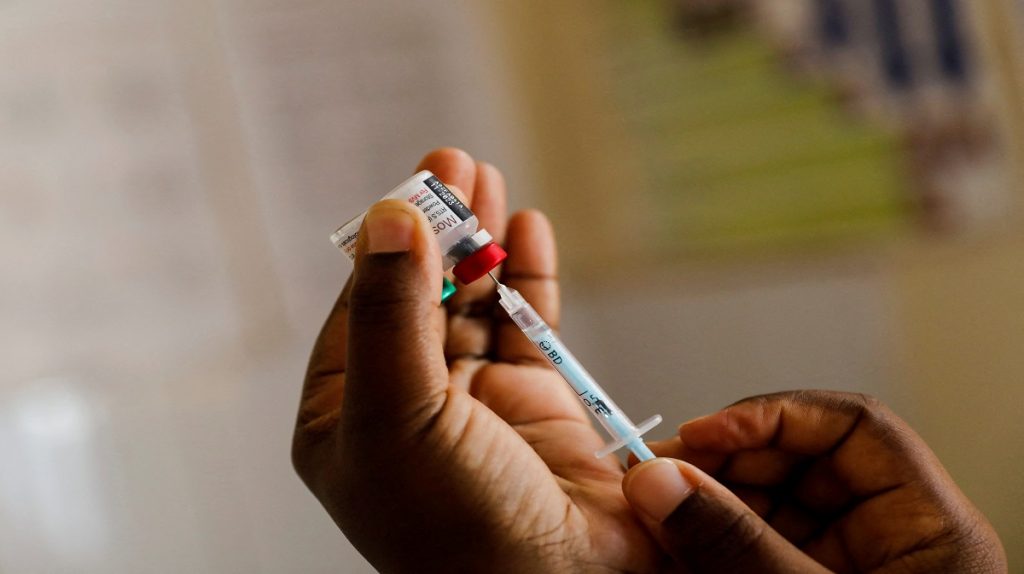
The drive delivered more than 100 million doses of life-saving vaccines, according to a joint announcement by the Vaccine Alliance (Gavi), World Health Organisation and the United Nations (UN) Children’s Fund (UNICEF) at the start of World Immunisation Week.
The initiative, known as The Big Catch-Up (BCU), targeted children missed by routine services during the pandemic. Among children reached between 2023 and 2025, an estimated 12.3 million were “zero‑dose” children who had not received any vaccine, while 15 million had never received a measles vaccine. The programme also delivered 23 million doses of inactivated polio vaccine (IPV) to under‑vaccinated children, supporting efforts to eradicate polio. Programme implementation concluded on March 31, 2026, with final data still being compiled. Early projections indicate progress towards a target of reaching at least 21 million under‑immunised children.
BCU focused on vaccine equity by systematically reaching older children who should have received key vaccines before age one. The 36 participating countries across Africa and Asia account for about 60% of zero‑dose children globally, with pandemic disruptions adding millions more to an already underserved cohort. The programme strengthened systems to identify, screen, vaccinate and track missed children, including policy updates on age eligibility, health worker training and community engagement.
Twelve participating countries reported reaching more than 60% of zero‑dose children under age five who had missed a first dose of diphtheria‑tetanus‑pertussis vaccine (DTP1). Ethiopia reported delivery of DTP1 to more than 2.5 million previously zero‑dose children, alongside nearly 5 million IPV doses and more than 4 million measles doses. Nigeria reported 2 million previously zero‑dose children reached with DTP1 and 3.4 million IPV doses delivered.
Despite gains, Gavi, WHO and UNICEF cautioned that catch‑up campaigns cannot substitute for strong routine immunisation. In 2024, an estimated 14.3 million infants still received no vaccines through routine services. Measles outbreaks are rising in every region, with about 11 million cases in 2024, highlighting the cost of persistent coverage gaps.
–WHO/ChannelAfrica–


