


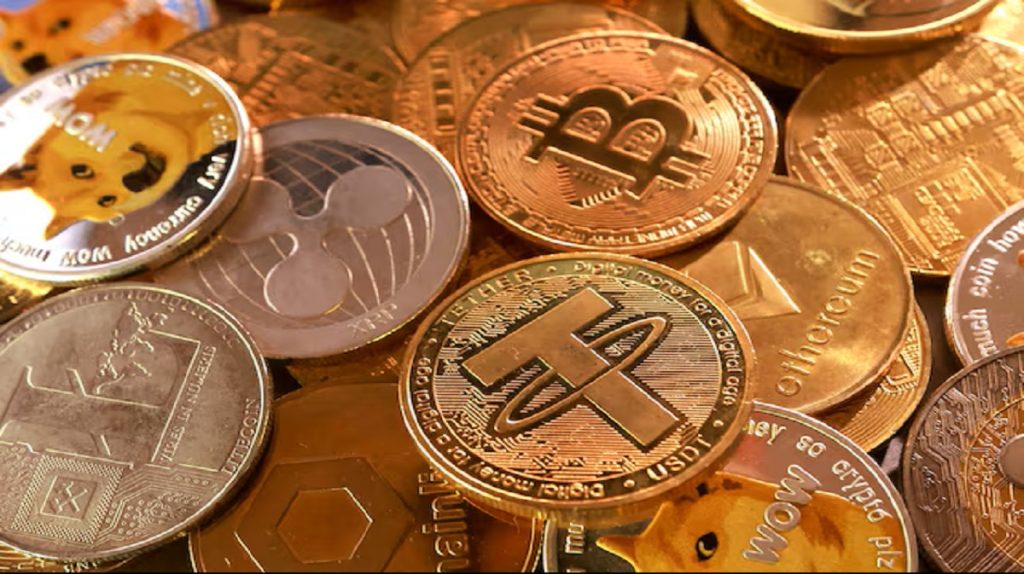
Bitcoin’s slump alongside other digital asset prices coincides with investor concerns about inflated tech valuations and the uncertain path of US Federal Reserve rate cuts.
“This contraction has been underway for several months and remains ongoing, suggesting it is likely to persist for some time,” said Thomas Probst, a Research Analyst at crypto data provider Kaiko.
“Reduced liquidity translates into sharper and more erratic price movements,” he added.
Precious metals and cryptocurrencies sold off heavily January 30, after US President Donald Trump named Kevin Warsh as the next Fed chair, due to expectations he could shrink the Fed’s balance sheet, reducing demand for bitcoin. Digital asset prices have seesawed since, declining to close down 20% on Thursday before rebounding Friday.
The moves have raised questions about the outlook for bitcoin and other cryptocurrencies in the year ahead. The end of the year proved to be tumultuous: October also saw the largest crypto liquidation event in history after Trump announced new tariffs on Chinese imports, washing out liquidity that has yet to fully return.
“The flash crash back in the fall was this kind of pin that popped the leverage bubble,” said Denny Galindo, an Investment Strategist at Morgan Stanley Wealth Management.
The Trump administration’s friendly stance toward crypto helped give bitcoin a major boost last year, sending it to an all-time high above $125 000 in October. Still, Trump’s introduction of pro-crypto policies in 2025 has not stemmed the latest price declines.
Bitcoin fell below $61 000 on Thursday, its lowest level since a month before Trump’s election.
But some analysts have theorised that the worst may already be over.
“There are several things signifying that we are very close to a bottom, if not having achieved it,” said James Butterfill, Head of Research at crypto asset manager CoinShares, who added some investors might choose to buy the dip. Selling by so-called “whales” individuals or entities holding 10 000 or more Bitcoin, has started to slow, he said.
–Reuters–


