


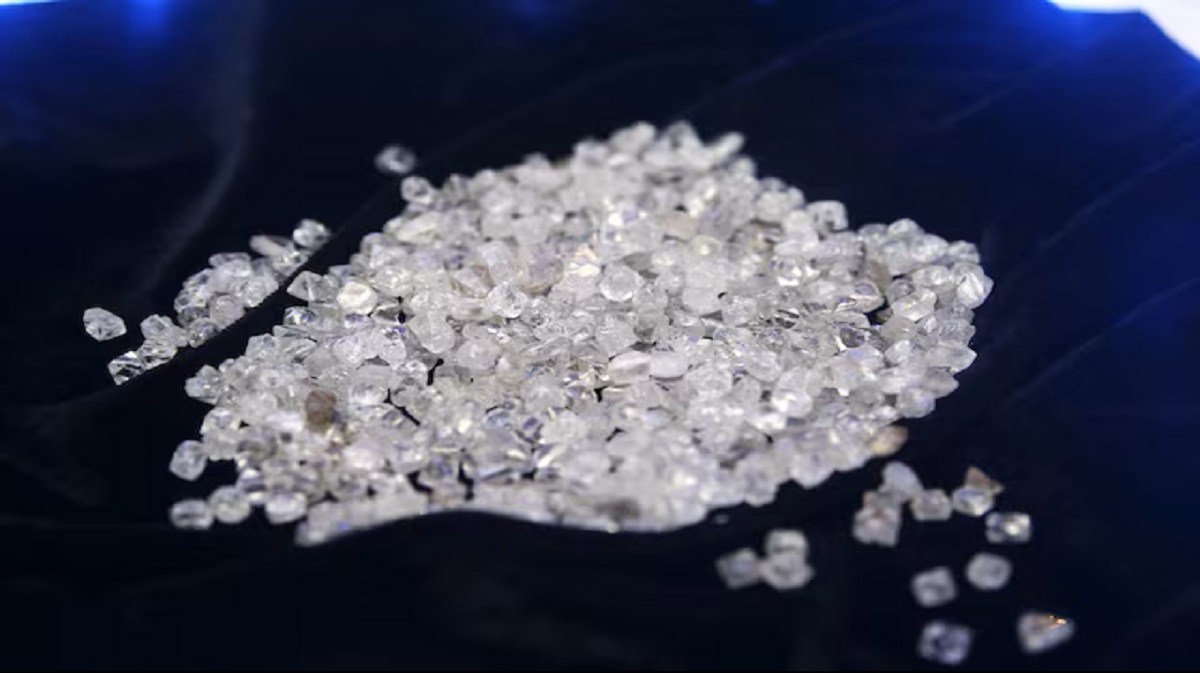
The agency cited mounting fiscal pressures and the government’s difficulty in adapting to a structural downturn in the diamond industry.
The agency said Botswana’s economy is projected to contract by a further 6% in 2025, as the country remains highly exposed to global demand shocks, the rise of lab-grown diamond alternatives, and shifting consumer preferences.
Independent Policy Researcher Kevin Tutani says the downgrade will make it more expensive for Botswana to borrow.
“Investors, who are mostly institutional, are going to demand a higher rate of interest for whatever debt they give to the government of Botswana. Essentially, it’s going to be harder and more costly to acquire debt,” he explained.
Tutani warned that the rise of synthetic diamonds poses a growing risk to Botswana’s natural diamond market and urged the government to invest in aggressive marketing to preserve demand.
“Botswana has to get on the drive to market its natural diamonds. They have better inherent qualities than the synthetic ones. The country can team up with Russia and other major producers to push that message internationally,” he said.
He added that Botswana’s overreliance on diamond revenues has made it vulnerable to external shocks, calling for greater fiscal discipline and efficiency in public spending.
“The government has to cut off any excess waste within its procurement contracts. If it streamlines expenditure across all levels of government, it can save as much as two to three per cent of GDP and reduce the fiscal deficit,” he said.
Looking ahead, Tutani cautioned that further downgrades could follow if no concrete action is taken to address structural challenges, including unemployment and water scarcity. “If the government doesn’t show a feasible plan to move things forward, then we will definitely most likely see another downgrade. But if it is seen to be doing something, then things can get better,” he concluded.
–ChannelAfrica–


