

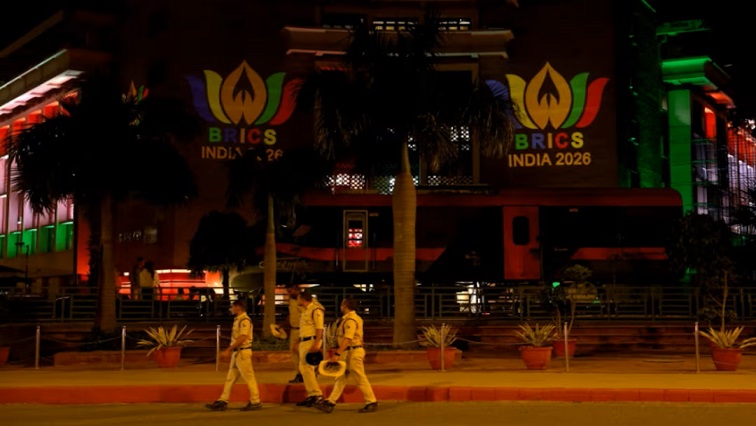
The New Delhi Declaration reflects BRICS members’ efforts to deepen cooperation as rising debt, investment constraints, and global fragmentation put pressure on developing economies.
Ubuntu Centre for Peace and Strategic Studies Executive Director Dr Sabir Ibrahim said South-South cooperation offered developing countries an alternative platform for advancing economic priorities. “For the Global South, BRICS is the only hope for South-South cooperation,” Ibrahim said.
“I believe it is the only alternative for the development and aspirations of the South.”
BRICS members differ politically and economically, but Ibrahim said shared development challenges created a strong incentive for cooperation. “For the member countries, they have no option. They have to cooperate,” Ibrahim said.
Ibrahim said the bloc should maintain a strong focus on economics, including investment, financial diversification and reducing dependence on established international financial arrangements.
Debt was among the major concerns discussed during the summit as developing countries face rising borrowing costs and limited access to affordable financing.
Ibrahim said BRICS could support indebted countries by financing infrastructure and improving access to loans through the New Development Bank (NDB). “BRICS could help developing countries through infrastructure and by easing access to loans from the NDB,” Ibrahim said.
However, the bloc’s ability to offer meaningful alternatives would depend on the scale, affordability and accessibility of NDB financing.
African participation in BRICS has also increased the continent’s influence within discussions about investment, trade and development finance.
Egypt and Ethiopia held bilateral meetings with Russia and host India on the sidelines of the summit as part of efforts to deepen economic and diplomatic relations.
Ibrahim said Egypt was seeking additional investment, particularly in energy, as the country addressed economic pressures. Ethiopia was also looking to strengthen partnerships capable of supporting national and regional priorities.
Closer ties with India and Russia could give both African countries greater access to investment, infrastructure financing and international markets. “The importance of Africa as a market and a hub of resources is very crucial,” Ibrahim said.
“The engagement of African countries within BRICS is also gaining importance.”
Ibrahim said Africa should use the bloc to diversify investment partnerships and secure development financing.
–ChannelAfrica–


