

The planned talks, supported by the United States, several partner countries and international organisations, are expected to begin in the coming weeks under a five-party mechanism. The initiative seeks to initiate a time-bound process towards restoring civilian governance after prolonged conflict.
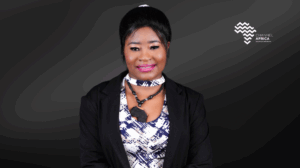
Political Scientist and Conflict Resolution Analyst Dr David Matsanga said the move towards dialogue is a positive development, particularly given long-standing calls for negotiations. Matsanga said the initiative is a step in the right direction, but warned that its success will depend on addressing immediate security concerns.
Matsanga said any attempt to establish a civilian-led transition must begin with a comprehensive ceasefire between the warring factions. Matsanga said it would be unrealistic to pursue political negotiations while fighting continues on the ground, noting that sustained violence undermines the conditions needed for inclusive dialogue.
According to Matsanga, meaningful progress will require both military leaders to come to the negotiating table and agree to halt hostilities. Matsanga said without a ceasefire and direct engagement between the generals, efforts to form a civilian government risk failing before they gain momentum.
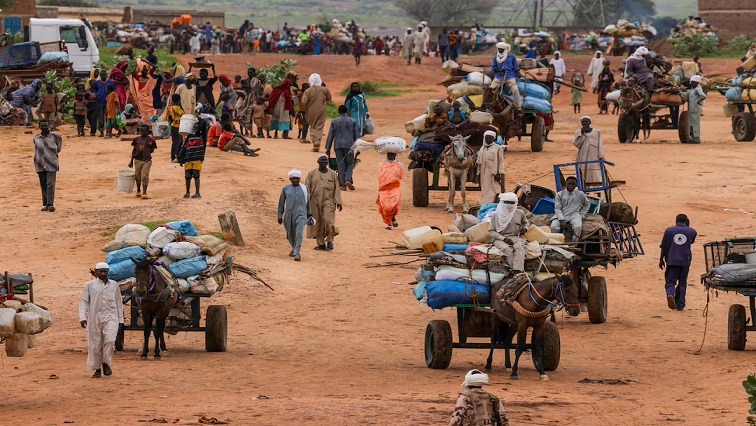
Matsanga also highlighted the humanitarian situation, pointing to widespread displacement, food insecurity and high casualty figures as major obstacles to political transition. Matsanga said these conditions make it difficult to advance governance discussions without first stabilising the security environment.
Matsanga emphasised the need for a broader framework that includes reconciliation, accountability and inclusive participation. Matsanga said a credible transition would require not only political negotiations but also processes to address underlying grievances and rebuild trust.
Matsanga said civil society groups and pressure organisations have a role to play, but their effectiveness depends on access to key actors and the ability to engage both formally and informally with decision-makers. Matsanga said the lack of direct engagement with military leaders remains a major constraint in advancing peace efforts.
Regional and international involvement was also identified as a complex factor. Matsanga said some external actors may have competing interests, which could complicate mediation efforts. The analyst called for more neutral platforms to facilitate dialogue and ensure that negotiations remain focused on Sudan’s long-term stability.
The proposed talks come amid ongoing conflict and mounting international concern about the country’s trajectory. While support for dialogue is growing, Matsanga said the priorities should remain clear: secure a ceasefire, bring all parties to the table and create conditions for a sustainable political transition.
–ChannelAfrica–


