


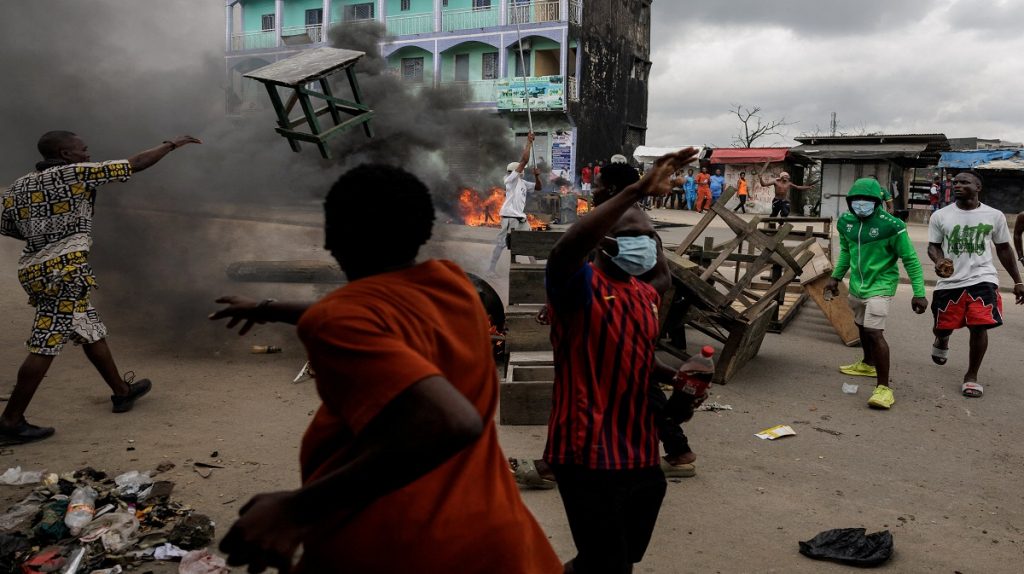
Dieterich said growth is expected to slow to 3.1% in 2025 from 3.5% in 2024, reflecting disruptions linked to post‑election unrest that weakened trade, services and investment. Inflation continued to ease, dropping to an annual average of 3.4% by December 2025.
The IMF said Cameroon’s external position weakened last year. The current account deficit is expected to widen to 3.9% of gross domestic product (GDP) due partly to a fall in oil exports. Contributions to regional reserves under the Central African Economic and Monetary Community were stable, helped by external commercial borrowing.
Fiscal performance deteriorated in 2025 after years of steady improvement. The overall deficit widened to about 2% of GDP, while the non oil primary balance worsened to 2.6%of GDP, well above the budget’s target. This was driven by weak non oil revenues and slippage in current spending. The IMF warned of possible additional arrears and extra‑budgetary commitments and said near term financing pressures remain elevated. Debt sustainability analysis continues to show a high risk of debt distress.
Growth is projected to recover modestly to 3.3% in 2026 and strengthen in 2027 and 2028, supported by public investment, although risks remain high. Medium term growth could reach 4.6% by 2031, supported by diversification in mining. Inflation is expected to fall to 2.9% in 2026 and stabilise around 2.5%.
The mission agreed with Cameroon’s objective to tighten fiscal policy in 2026, targeting a deficit of 1.7% of GDP. Key risks include weak regional reserves, liquidity constraints, public financial management weaknesses, rising debt vulnerabilities and external shocks such as commodity price volatility.
The IMF urged reforms to strengthen revenue mobilisation, improve investment planning, operationalise the Single Treasury Account, deepen the regional treasury market and clear arrears through a realistic medium term strategy. It also emphasised reforms in governance, anti corruption, banking supervision and transparency in public procurement. The IMF Executive Board will consider the staff report in late March.
–IMF/ChannelAfrica–


