
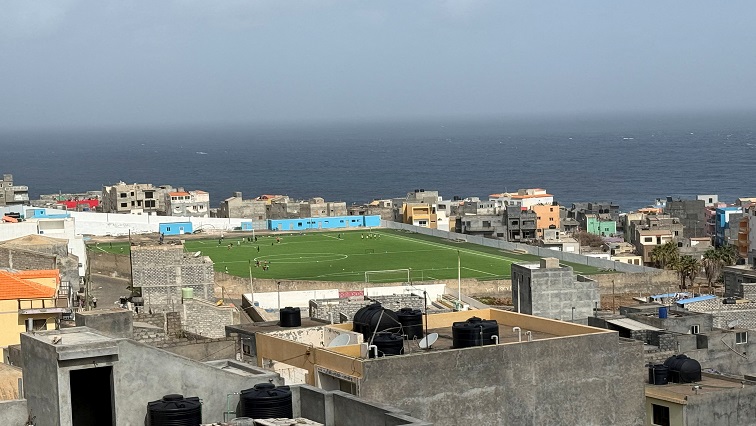
Six candidates are contesting the Presidency. A second round is scheduled for November 29 if no candidate secures more than 50% of the vote.
Rosa is backed by the opposition Movement for Democracy and is the first woman to contest Cape Verde’s presidency since independence from Portugal in 1975.
Women have served in senior Cabinet positions, but Cape Verde has never had a woman serving as President or Prime Minister.
Rosa’s main challenger is Neves, who is seeking a second term after becoming president in 2021.
Neves previously served as Prime Minister for 15 years and represents the African Party for the Independence of Cape Verde, the country’s oldest political party.
The party won 37 of the 72 seats in legislative elections in May, allowing Francisco Carvalho to become prime minister.
Cape Verde operates under a hybrid parliamentary-presidential system in which the prime minister directs government policy and exercises most executive authority.
The President serves largely as Head of State but holds powers including the authority to veto legislation and mediate during political disputes.
Cape Verde, situated more than 600 kilometres west of mainland Africa, has a population of about 500 000.
The country also has a substantial diaspora, with more Cape Verdeans living abroad than domestically. The largest overseas communities are located in the United States and Portugal.
Neves is expected to perform strongly among the six candidates, while Rosa is regarded as the main challenger after the Movement for Democracy lost power in the May legislative election following 10 years in government.
A Rosa victory would mark a historic change in Cape Verde’s political leadership and representation.
–Reuters/ChannelAfrica–
Image: Reuters