

The Green Climate Fund’s (GCF) backing comes ahead of the COP30event in Brazil in November and a decade after the Paris Agreement, which named the fund as a primary way to finance efforts to curb global warming.
“It will transform the country,” Mafalda Duarte told Reuters, adding that the commitment to Jordan’s Aqaba-Amman Water Desalination and Conveyance Project marked the fund’s “highest investment in a single project”.
A grant and loan totaling $295 million was approved at a board meeting in South Korea on Wednesday with the aim of drawing in financing from others, including the International Finance Corporation and private lenders.
The desalination project, one of the largest in the world, will eventually directly serve nearly half the population of Jordan, which has the second-lowest water availability of any country on the planet.
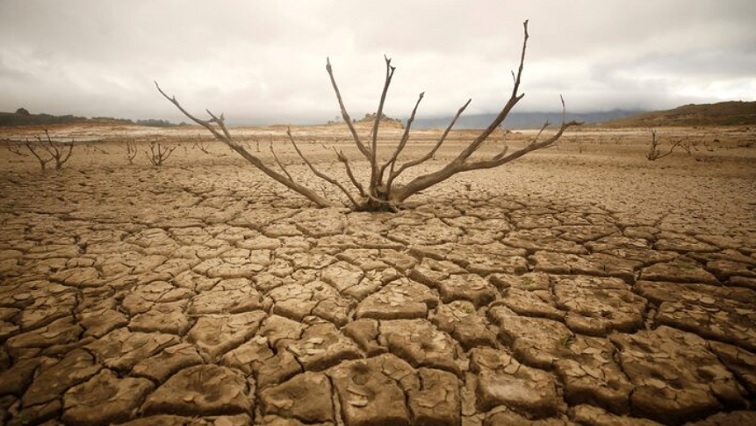
That was slated to get worse, with a 4 degrees Celsius rise in temperatures and a 21% decrease in rainfall projected by the end of the century, leading to increased evaporation, reduced groundwater and more frequent droughts. Such a scenario has led Jordan’s leader to describe the Meridiam and SUEZ-led project as a strategic priority.
The United States which considers Jordan a key regional ally, has pledged $300 million in grants and $1 billion in loans for the project, Jordanian government officials told Reuters, while other countries in the region were expected to contribute.
“The project is a strategic project to desalinate and transport 300 million cubic meters of water every year to most parts of the kingdom,” Jordan’s Minister of Water and Irrigation, Raed Abu Soud, told Reuters.
A senior official involved with the project said the GCF money would allow it to lower the cost of water by 10 cents a litre and help the government save $1 billion over its lifetime. It would also allow the IFC to offer better loan terms, which will mean cheaper private sector financing, he added.
The project in Jordan is one of 24 up for discussion at the GCF board meeting. If all are approved, they would total $1.4billion and mark the fund’s biggest ever financial disbursement. The GCF this year moved to speed up its decision-making as part of a broader overhaul of the world’s multilateral financial system, and the COP30 talks will look at ways to do even more.
While MDBs were still not doing enough to mobilise private sector capital, their stakeholders needed to be realistic about how much risk they can take, Duarte said.
–Reuters–


