


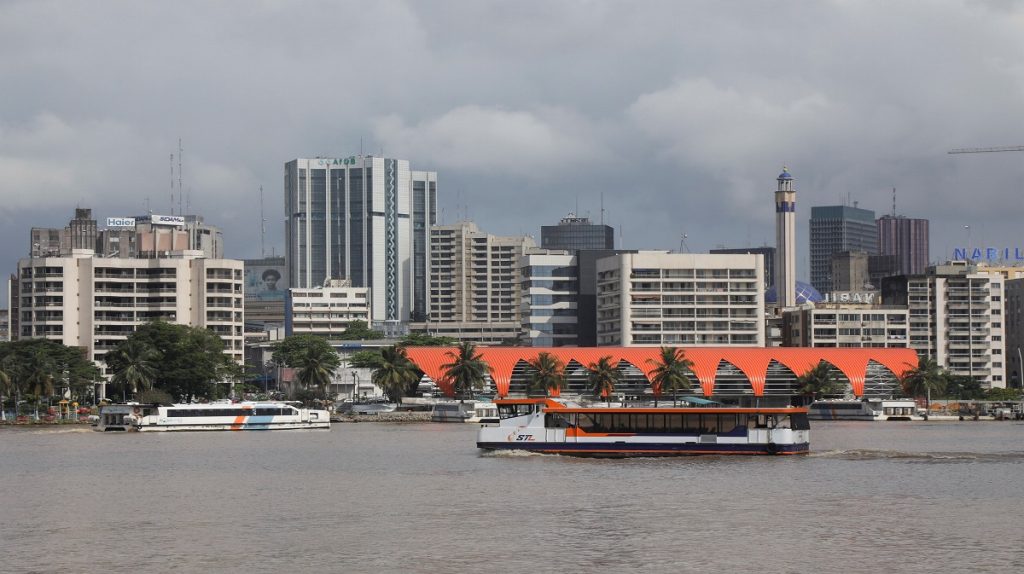
The IMF notes that the country’s economy expanded by about 6.5% in 2025 and is projected to maintain similar growth levels this year. This performance is being driven by robust activity in agriculture, construction, transport and services, alongside rising public and private investment in infrastructure. Côte d’Ivoire remains a key regional economic engine within the West African Economic and Monetary Union.
Inflation has moderated significantly after global price shocks in recent years. Lower food and fuel costs, combined with tighter monetary policy at the regional level, helped keep inflation below 4% in 2025. The IMF expects price stability to continue, although risks remain from potential commodity price volatility and climate-related shocks that could affect agricultural output.
Despite the strong growth outlook, the Fund warns that fiscal pressures remain a key challenge. The budget deficit widened in recent years due to increased spending on infrastructure, security and social programmes. Public debt has risen but is still considered sustainable, provided that the authorities continue efforts to strengthen revenue mobilisation and manage spending carefully.
The IMF emphasises the importance of maintaining fiscal discipline while protecting priority investments. It calls on authorities to improve tax collection, broaden the tax base and enhance public financial management systems. Reducing reliance on external borrowing is also seen as critical to preserving long-term debt sustainability.
Structural reforms are highlighted as essential to sustaining growth and making it more inclusive. The report points to progress in improving the business climate, digitalisation and financial sector stability. However, it urges continued efforts to support job creation, strengthen governance and address regional inequalities.
The IMF concludes that Côte d’Ivoire’s outlook remains positive but subject to external risks, including global economic uncertainty and fluctuations in cocoa prices. Sustained reforms and prudent macroeconomic policies will be key to ensuring that strong growth translates into durable development gains for the population.
–IMF/ChannelAfrica–


