

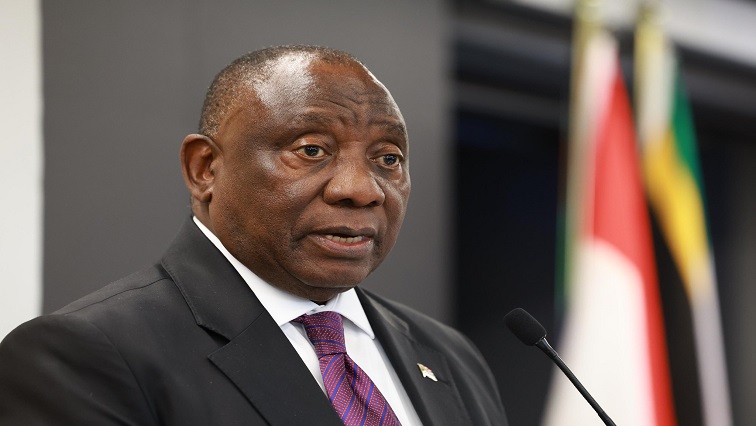
“We think that the purpose of interposing the panel in the scheme of the impeachment process was intended to ensure that Ramaphosa is not required to undergo full-scale section 89 impeachment inquiry in circumstances where the President has no case to answer. That step must never be taken lightly. It is a momentous act justified only when sufficient evidence exists to show that Ramaphosa has a case to answer. Now, we will submit to you that the panel got the test wrong. The prima facie evidence versus sufficient evidence.”
Trengove argued that continuing with the impeachment process could be humiliating for Ramaphosa.
The committee has been diligently continuing with its work, having met to iron out its terms of reference and names for a possible evidence leader this week.
“We have long said until a competent court stop or indicate we must not proceed, we will proceed. we are now looking at nomination for evidence leaders, we have received nominations from political parties.”
The committee has a meeting scheduled for next week. If the ruling is in favour of Ramaphosa, this may be put on ice of at least three months.
“The judgment from the Western Cape High Court is very important in clarifying as to whether Ramaphosa is within his right to approach this particular court and ask it to review certain parts of this particular judgment. It is also very important for the committee itself to clarify its mandate to ensure that as it proceeds with this work it is confident that it is on the right track, is doing what is expected of them. There are no legal challenges to the processes that it is going to undertake. For Ramaphosa, we should all remember that even if the court in Cape Town rules against him or even if it rules in his favor, it does not necessarily halt the work of the committee. So it is clarifying what are the provisions in terms of the work of this committee. It also talks to whether the committee can probe and what scope should it probe in looking at these issues.”


