


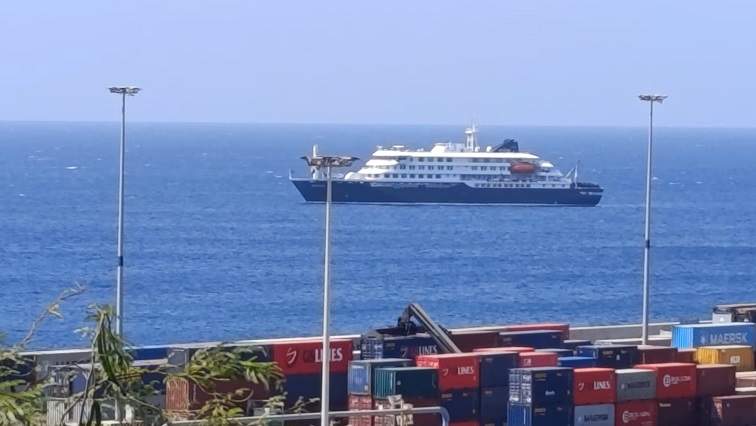
According to the WHO, eight cases have been reported so far, including five laboratory-confirmed infections plus three suspected cases linked to the rare Andes strain of hantavirus. The WHO said three people have died, plus several others have fallen ill during a voyage from Argentina to Cabo Verde.
The first alert was submitted by the United Kingdom under the International Health Regulations (IHR) after passengers developed severe respiratory illness. WHO said the Andes strain is the only known hantavirus with limited human-to-human transmission, usually requiring close, prolonged contact among household members, intimate partners, plus healthcare workers.
WHO Director-General Tedros Adhanom Ghebreyesus said the overall risk remains low. Tedros said the outbreak differs from SARS‑CoV‑2 because hantaviruses have been known for many years plus do not spread in the same way.
WHO Acting Director for epidemic plus pandemic management Maria Van Kerkhove said, “This is not SARS‑CoV‑2. This is not the start of a COVID-19 pandemic.” Van Kerkhove said hantaviruses are typically transmitted through contact with infected rodents or contaminated environments.
WHO said the first known patient developed symptoms on April 6 plus later died aboard the ship. A spouse also became ill plus died after evacuation to South Africa (SA), where laboratory testing confirmed hantavirus infection. WHO said travel before boarding included Argentina, Chile, plus Uruguay, with visits to birdwatching sites where rodent carriers are present.
A further death was reported on May 2. WHO said one patient remains in intensive care in SA with clinical improvement reported, while other patients have been transferred to hospitals in the Netherlands. WHO said no passengers plus crew remaining aboard are currently showing symptoms.
Spain has agreed to allow docking in the Canary Islands for a full epidemiological investigation plus disinfection, after Cabo Verde declined the request. WHO said an expert, Dutch doctors, plus a European disease specialist boarded in Cabo Verde to support medical assessments plus infection prevention during the voyage to Tenerife.
WHO Representative in Cabo Verde Ann Lindstrand said medical supplies plus onboard clinical support have been strengthened for the journey. Lindstrand said health authorities are contacting earlier disembarked passengers for follow-up if symptoms develop.
WHO warned that additional cases remain possible because the Andes hantavirus incubation period can reach six weeks, while existing public health measures, such as contact tracing, isolation, plus monitoring, can break transmission chains effectively.
–ChannelAfrica–


