


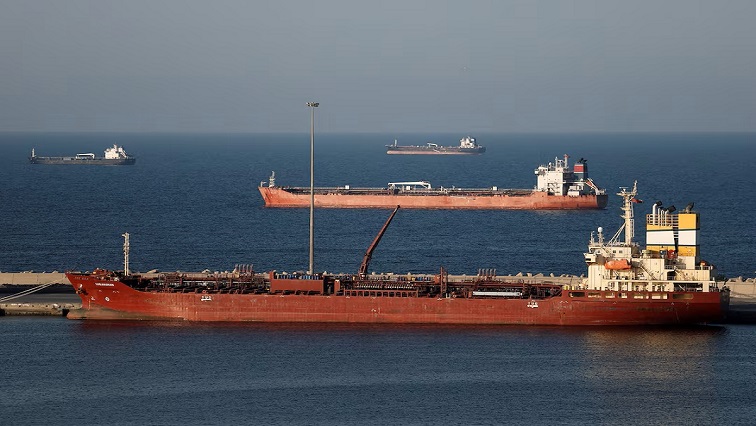
The latest developments follow US military strikes on Iranian targets and subsequent Iranian retaliation, actions that have raised fears of a wider conflict and renewed uncertainty around the strategic Strait of Hormuz.
Africa Asia Dialogues Director and Senior Research Fellow Thembisa Fakude, on Monday, said the recent escalation reflects ongoing uncertainty surrounding US policy in the region.
According to Fakude, the strikes come after efforts to establish a framework for dialogue and de-escalation, creating new questions about the direction of negotiations between Washington and Tehran.
Fakude argued that the conflict risks disrupting global energy markets if tensions continue to affect shipping through the Strait of Hormuz, a key route for international oil and gas exports. “If the Strait of Hormuz is disrupted, the impact on energy supplies and the cost of living around the world will be significant,” said Fakude.
The dispute has also reignited debate about regional influence in the Gulf. Fakude said recent developments have unexpectedly elevated the strategic importance of the Strait of Hormuz in negotiations involving Iran, the US and Gulf states.
According to Fakude, Iran may emerge with greater influence over future discussions relating to the waterway, particularly after the issue moved to the centre of regional diplomacy.
The uncertainty has already affected global markets. Oil prices have reacted sharply to developments, while airlines and shipping companies have adjusted operations as security concerns increase across the region.
Despite the breakdown of a fragile truce, Fakude believes diplomacy remains the most realistic path towards a lasting resolution. “Eventually, there is going to be a settlement, and that settlement will come through negotiations,” said Fakude.
Fakude pointed to ongoing mediation efforts by countries including Qatar and Pakistan, which continue to encourage dialogue between Washington and Tehran.
While concerns remain about the possibility of a broader conflict, Fakude said most parties have little appetite for a prolonged regional war.
According to Fakude, countries across the Gulf region are facing economic and political pressures that make further escalation undesirable. Iran, Gulf states and the US all face growing incentives to seek a negotiated outcome rather than extend the conflict.
Fakude also argued that domestic political considerations are shaping decision-making in Washington. Rising energy costs and public opposition to extended military engagements could increase pressure on US leaders as elections approach.
Fakude suggested that the economic cost of military operations is becoming increasingly difficult to sustain, particularly as lower-cost technologies such as drones are used to challenge more expensive defence systems.
Fakude warned that continuing military exchanges would do little to resolve underlying disputes and could further destabilise regional economies and global trade.
According to Fakude, diplomatic engagement remains the only viable route to restoring stability, protecting energy markets and securing a long-term settlement between the US and Iran.
–ChannelAfrica–


