


At El‑Obeid Maternity Hospital in neighbouring North Kordofan, staff describe dire shortages and mounting deaths as displaced families arrive in desperate need of care. “We had to watch two of the babies die before our eyes,” said Dr Hasan Babikir, recounting the deaths of premature triplets. “We simply had no available intensive care beds to treat them.”
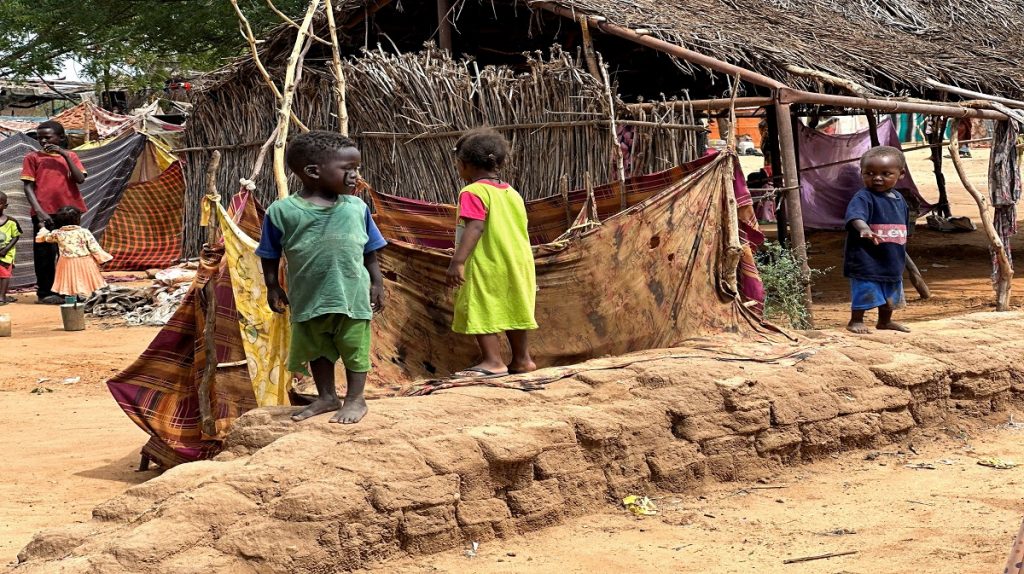
The hospital is the main referral maternity facility for western Sudan and is currently serving more than 230 000 displaced people, most of them women and girls. Many are fleeing violence in South Kordofan and arriving malnourished, traumatised and without access to basic healthcare.
According to Babikir, the hospital is facing acute shortages of essential supplies. “There is a severe lack of equipment for both surgical and normal deliveries,” he said, adding that antibiotics, surgical sutures and even basic gloves are in critically short supply. “We are often forced to buy these items from local markets at very high prices,” he told the UN Population Fund (UNFPA).
Health workers say the influx of displaced people has pushed the hospital beyond its limits, with maternity wards operating at full capacity and staff struggling to cope with complications linked to malnutrition, untreated infections and sexual violence.
The situation has been worsened by insecurity in El‑Obeid itself. The city has come under repeated drone attacks, with several strikes hitting health facilities. Medical staff and patients have been killed or injured, further undermining already stretched services.
Humanitarian organisations warn that attacks on hospitals are adding to the collapse of healthcare in large parts of Sudan, where fighting between rival armed forces has devastated infrastructure and cut communities off from aid. UNFPA says women and girls are bearing the brunt of the crisis, facing increased risks of maternal death, sexual violence and hunger, with few safe places to seek care.
As displacement from South Kordofan continues, doctors at El‑Obeid say they fear more preventable deaths unless supplies, funding and protection for health facilities arrive urgently. “We are doing everything we can,” Babikir said. “But without support, more lives will be lost.”
–UN/ChannelAfrica–


