


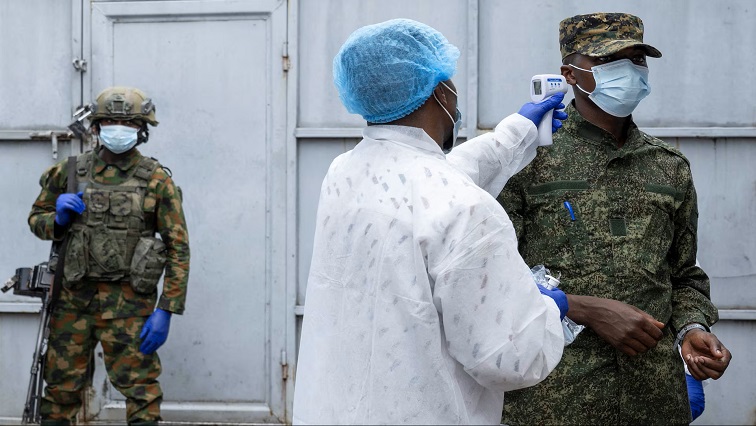
UN agencies are on high alert after the Ebola Bundibugyo virus infected 19 internally displaced people in the DRC, killing five of them.
The UNHCR said at least five of Ituri province’s 69 displacement camps have reported Ebola cases, deepening concerns over the rapid spread of the outbreak.
Local authorities say nearly 4 000 Ebola cases and more than 1 800 deaths have been recorded since the outbreak was declared on May 15.
UNHCR said no cases have been reported among refugees or asylum-seekers, but warned that the spread of the virus among displaced communities poses serious risks.
World Health Organisation (WHO) Director-General Dr Tedros Adhanom Ghebreyesus said the response must be urgently strengthened. “We all agree that we must urgently and massively scale up all our efforts across all pillars of the response and by all partners,” Tedros said.
Cases have been confirmed in Ituri, North Kivu, South Kivu, Haut-Uele and Tshopo, provinces that host around 4.4 million internally displaced people.
The affected provinces also overlap with areas most affected by conflict in eastern DRC, where fighting involving the M23 militia, Congolese forces and other armed groups has displaced millions of people over decades.
UNHCR warned that displaced people living in camps often lack adequate water and sanitation infrastructure, while distrust of health services can make it harder to contain Ebola.
The UN is working with humanitarian partners and local authorities to expand surveillance, laboratory testing, treatment and community engagement. UN peacekeepers are also working to prevent attacks on healthcare facilities.
In May, UN Emergency Relief Coordinator Tom Fletcher announced up to $60 million from the Central Emergency Response Fund to support the Ebola response.
WHO and partners are also supporting Ebola treatment centres. Tedros said new cases have doubled in some hotspots over the past week, making stronger coordination, health-worker protection, faster access to care and safe burials urgent priorities.
“WHO remains committed to working alongside the Government of the DRC, Africa Centre for Disease Control and Prevention and all partners, and we will stop this outbreak, together,” Tedros said.
–UN/ChannelAfrica–


