


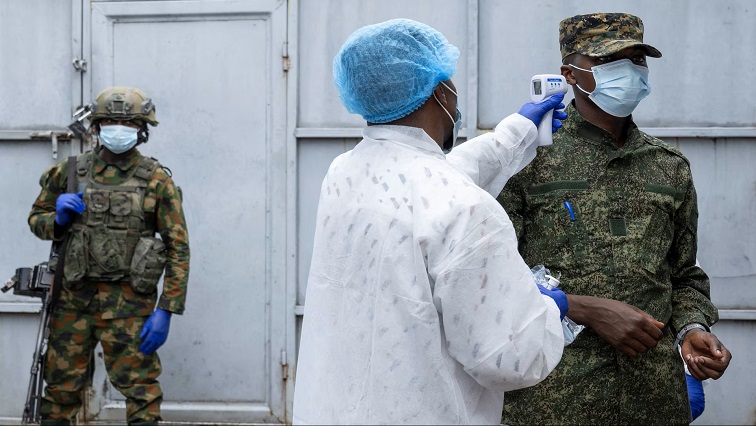
According to the World Health Organisation (WHO), 676 cases and 136 deaths have been reported in the roughly three weeks since the outbreak was confirmed. Cases have now been identified across a wide area stretching nearly 1 000 kilometres, from Ituri province in the north to South Kivu.
“Every day, cases are being identified in new health zones,” said Dr Olivier le Polain, WHO’s Epidemiology and Analytics lead. The spread reflects both the scale of the outbreak and the high mobility of populations in the region, he said, adding that infections have now been recorded in 34 health zones.
While initial cases have largely involved adults, health officials warn that the situation may shift toward household transmission.
“As the outbreak evolves, we must be prepared for increasing household transmission, which means we may see more children affected in the days ahead,” said Dr Douglas Noble, UN Children’s Fund’s (UNICEF) Global Lead for Public Health Emergencies.
Children in the affected regions are particularly vulnerable due to pre-existing conditions. More than half of children under five in Ituri province are chronically malnourished, while more than one in five have not received basic vaccinations.
“These are already very vulnerable children, so the capacity for this community to absorb any additional stressors was already stretched to breaking point,” Noble said.
Health officials said children have historically accounted for a significant share of Ebola cases in the DRC, often facing higher fatality rates and long-term impacts such as losing caregivers.
Efforts to contain the outbreak are ongoing, including expanded contact tracing and increased testing capacity. WHO said around 70% of contacts are now being followed, an improvement, but still below levels needed to fully control transmission.
Meanwhile, UNICEF has deployed more than 1 600 community health workers and delivered over 100 tonnes of emergency supplies, reaching more than 160 000 households.
–UN/ChannelAfrica–


