

Local authorities had reported 6 100 confirmed cases and 2 950 deaths by Monday, including more than 5 000 cases in DRC’s Ituri Province.
During the first 100 days after the Ebola Bundibugyo outbreak was declared on May 15, authorities recorded 5 515 cases and 2 642 deaths.
By comparison, the World Health Organisation confirmed 635 cases and 399 deaths in Guinea, Liberia and Sierra Leone during the first 100 days of the 2014-2016 West Africa Ebola epidemic.
United Nations (UN) Emergency Relief Coordinator Tom Fletcher warned that the outbreak was expanding faster than the humanitarian response. “The response is growing and has been scaled up, but the virus is moving faster,” Fletcher said.
A $1.1 billion funding gap remains despite an expanded response from the UN, DRC authorities and humanitarian partners.
Fletcher allocated more than $57 million from the UN Central Emergency Response Fund to support Ebola response and preparedness programmes in DRC and neighbouring countries.
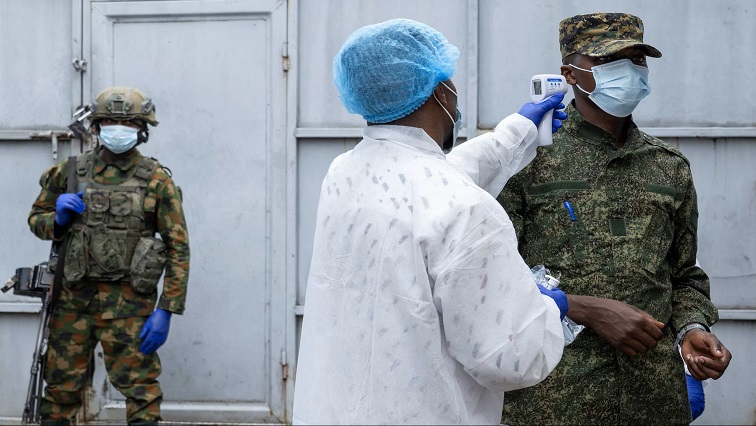
The International Organization for Migration has conducted nearly 23 million health screenings across DRC and neighbouring countries. The screenings support case identification, monitoring of population movements and efforts to prevent cross-border transmission.
Uganda recently contained a separate Ebola outbreak through rapid case detection, contact tracing, patient isolation, clinical care, infection prevention, community engagement and strengthened surveillance.
The DRC response is unfolding during a wider humanitarian emergency in the eastern part of the country. Armed conflict and population displacement have complicated access to affected communities. “It is not simply a health emergency,” Fletcher said. “It is also a humanitarian emergency layered onto many existing humanitarian emergencies.”
The UN Organisation Stabilisation Mission in the DRC is expanding programmes that have helped more than 60 000 people safely reach farmland and schools in Djugu territory. The programmes also support displaced families seeking to return home.
Fletcher called for unimpeded humanitarian access, sustained international attention and urgent financial support to contain the outbreak.
According to Fletcher, international coordination and adequate resources remain essential to prevent further transmission within DRC and across borders.
–UN/ChannelAfrica–





