


Latest figures show 5 515 confirmed cases and 2 642 deaths, giving the outbreak a fatality rate of almost 48%.
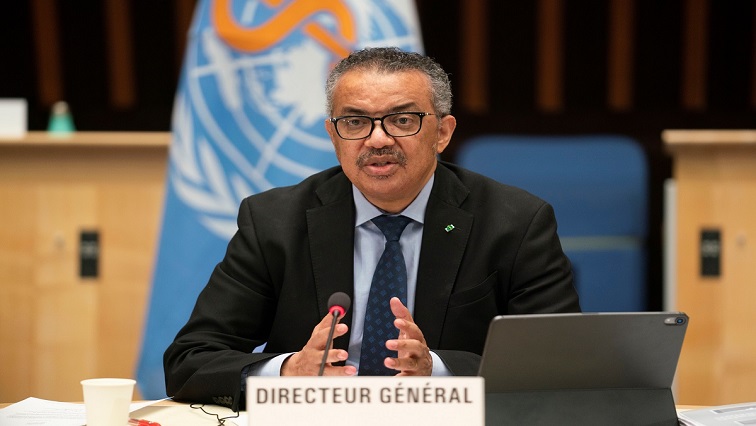
WHO Director-General Dr Tedros Adhanom Ghebreyesus said the outbreak can still be brought under control if affected communities receive greater support. “We can bring the Ebola outbreak under control, but only through scaled-up action in affected communities,” Tedros said.
Tedros stressed that national and local authorities must lead the response, supported by adequate resources and international partners.
The outbreak, caused by the Bundibugyo strain of the virus, has spread across six provinces. Ituri Province remains the epicentre, accounting for approximately 85% of all confirmed cases and 79% of reported deaths.
According to WHO, nearly 90 confirmed infections were recorded daily during the first three months of the outbreak, a rate higher than that seen during the DRC’s 2018-2020 Ebola epidemic.
WHO Regional Director for Emergency Response in Africa Dr Marie Roseline Belizaire said the response has expanded significantly since the outbreak was declared on May 15.
Testing capacity has grown from a single laboratory to 19 facilities capable of analysing more than 3 000 samples daily. Treatment capacity has increased from fewer than 10 beds to more than 1 300, while contact tracing has improved from 9% during the first week of the outbreak to 84% by August 18. “These are extraordinary advances,” Belizaire said.
Belizaire cautioned, however, that the improvements have not yet been sufficient to halt transmission.
A major concern remains the number of deaths occurring outside treatment facilities. WHO said about 60% of Ebola-related deaths recorded over the past six weeks occurred outside Ebola treatment centres.
The agency attributed this to insecurity, conflict, displacement, attacks on healthcare facilities and difficulties in accessing treatment.
Belizaire said the epidemic is unfolding alongside a broader humanitarian crisis marked by food insecurity, malnutrition and limited access to clean water. “People are hungry; they need access to food; they need water,” Belizaire said.
“Humanitarian aid must also be provided alongside the Ebola response.”
Belizaire outlined five priorities for the coming weeks: strengthening community engagement, increasing contact tracing to 95%, expanding treatment capacity to 3 000 beds, improving protection for healthcare workers and strengthening cross-border preparedness.
Health workers continue to pay a heavy price. WHO reported that 155 healthcare workers have contracted Ebola, while 50 have died.
The risk of regional spread remains a concern. Although no Ebola cases have been reported in neighbouring South Sudan, population movements across the border have prompted authorities to intensify surveillance and preparedness efforts.
United Nations Humanitarian Coordinator for South Sudan Ramanathan Balakrishnan called for stronger protection for aid workers after four humanitarian personnel transporting Ebola supplies were abducted near the border town of Libogo.
Meanwhile, WHO Regional Director for Africa Dr Mohamed Janabi warned that urgent action is needed to prevent further loss of life. “Decisions we take today will determine how quickly we can bring this outbreak under control and save lives,” Janabi said.
–UN/ChannelAfrica–


