
Benin’s economy expanded by 8.1% in 2025 and recorded average annual growth of 7.1% between 2021 and 2025, making the economy one of the fastest-growing in the region.
The fiscal deficit declined to 2.7% of gross domestic product in 2025, below the West African Economic and Monetary Union limit of 3%.
Inflation remained low at 1.1%.
However, the fourth edition of the World Bank’s Benin Economic Update found that growth was not creating sufficient formal and well-paid employment.
About 96.3% of workers were employed in the informal sector in 2022, while eight out of every 10 jobs created involved self-employment.
Fewer than one in five workers held a salaried position in 2024. The share fell to 9% among young people. “The good health of Benin’s economy is a solid foundation,” World Bank Economist and Report Lead Author Mamadou Tanou Baldé said.
“The challenge now is to maintain strong economic fundamentals and ensure that this growth is supported by productivity gains and creates more and better-paid jobs, especially for young people.”
The Glo-Djigbé Industrial Zone demonstrated the potential for formal industrial employment, with the number of jobs increasing by 28.8% to 22 798 in 2025.
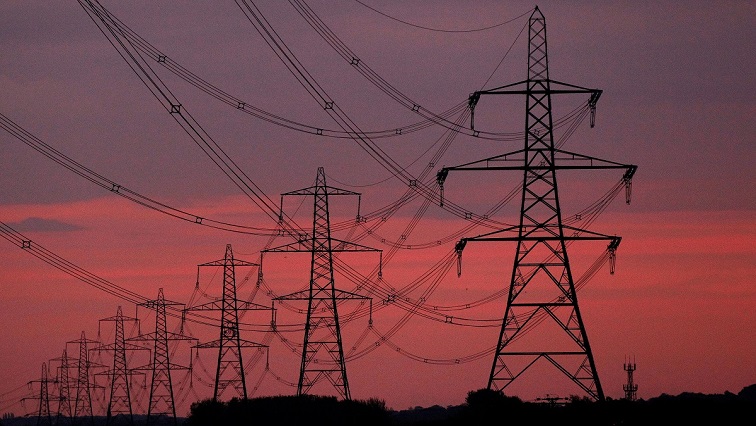
The Bank said reliable electricity would be essential for expanding similar employment opportunities.
Almost half of Beninese businesses regarded electricity access as a major obstacle, while 86.1% experienced power interruptions.
Electricity-grid losses reached 24.7% in 2024, while about half of transmission lines and substations were more than 25 years old.
Gas shortages had also forced greater reliance on expensive heavy fuel oil. “Implementing the Mission 300 Compact could generate nearly 159 000 additional and better-quality jobs,” World Bank Group Country Manager in Benin Karine Bachongy said.
The Bank said Benin should diversify energy sources, modernise electricity networks, reduce supply costs and improve sector governance.
The Bank concluded that stronger regional trade with Nigeria could generate as much as $1.3 billion annually and create 26 000 direct jobs in grain processing, textiles, energy, higher education, and tourism.
–WorldBank/ChannelAfrica–