
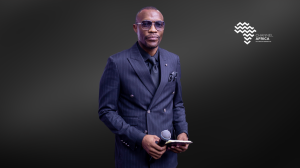
The mass resignation of Equatorial Guinea’s entire government changes nothing about where the country’s actual power lies, geopolitical analyst Aaron Nga’mbi has warned.
The sudden collapse of the cabinet came after an internal review revealed that ministries had met barely 10% of their performance targets. While the dramatic announcement grabbed international headlines, Nga’mbi argues that the move is purely symbolic theater.
“On the face of it, it looks significant for the headlines, for the news headlines, it looks like there’s something really to see here,” Nga’mbi observed. “But if you think about it really critically, it’s neither here nor there because the actual power lies within the President and the Vice President. They can reshuffle the cabinet at any time. They can get rid of anyone they want, and therefore these resignations are just symbolic.”
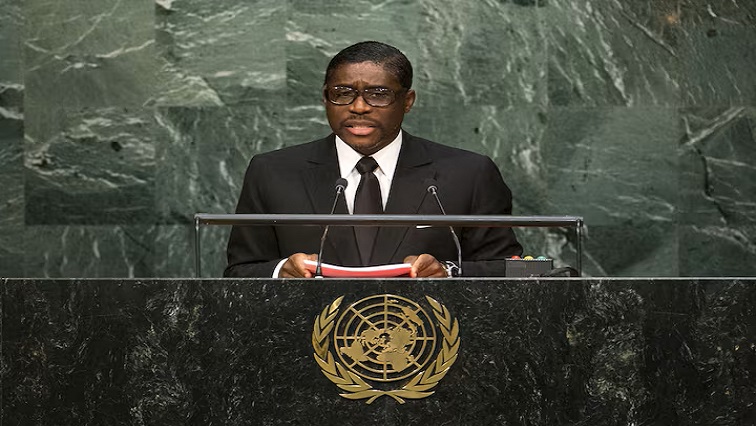
True authority in the West African nation remains tightly consolidated within a single family dynasty. Prime Minister Manuel Osa Nsue Nsua submitted the collective resignation to President Teodoro Obiang Nguema Mbasogo, who has been in power for decades. The official announcement was delivered by Vice President Teodoro Nguema Obiang Mangue, the President’s son, the very man receiving the resignations.
The political shakeup highlights a massive disconnect between Equatorial Guinea’s immense natural wealth and the poverty of its people. Despite being an oil-producing country with a relatively small population, the domestic economy has failed to serve ordinary citizens. Nga’mbi points directly to systemic corruption at the top as the real cause of the state’s stagnation, rather than standard ministerial underperformance.
“The so-called leaders and politicians, as people in power, they have amassed so much wealth at the expense of the wealth that needs to go to the people,” Nga’mbi said.
He pointed out that the Vice President has even faced high-profile corruption charges in European courts, noting that the country’s resource revenues never actually make it into the local system.
“Sadly, the money is not in the countries. The money is not in Equatorial Guinea. They’ve stacked this up in offshore accounts, and they’re involved in business deals overseas and abroad, and there’s nothing that trickles down to the economy of their own countries,” Nga’mbi concluded.
–ChannelAfrica–





