

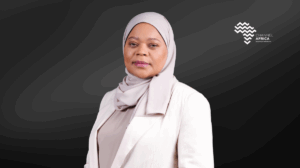
Dr Rebecca Walker, Senior Research Consultant at the African Centre for Migration & Society at Wits University, said the President’s remarks did not outline a clear policy framework but instead reflected a broader communication pattern.
Speaking to Channel Africa on Monday, Walker said while the address acknowledged public frustration and condemned xenophobic violence, it shifted focus toward undocumented migration, linking it to wider social and economic pressures.
Walker described this shift as significant, arguing that it reinforces a perception that migration is a primary driver of issues such as unemployment, pressure on public services and crime. According to Walker, much of the public discourse is shaped more by perception than evidence, with anecdotal claims often treated as fact without verification.
Walker pointed to available data from national statistics and global migration trends, which suggest that migrants account for less than 5% of South Africa’s population, including both documented and undocumented individuals. Walker said this evidence is frequently overlooked in favour of inflated estimates that contribute to a narrative of widespread migration pressure.
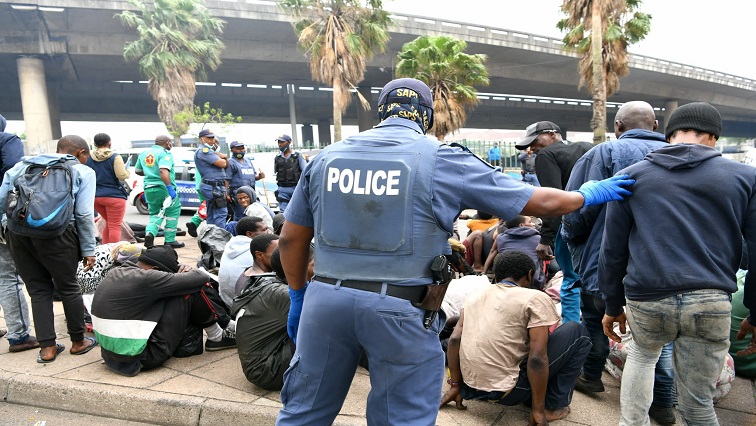
Despite this, Walker said public frustration remains high, driven by real underlying challenges such as unemployment, poor service delivery and failing municipal systems. Walker said these conditions have created a sense of insecurity and competition over limited opportunities, which can make migrants a visible target for blame.
Walker cautioned that this dynamic risks reinforcing “othering” within society, where individuals are excluded based on nationality. Walker said the South African Constitution defines the country as belonging to all who live in it, raising concerns about narratives that exclude certain groups from economic and social participation.
The discussion also highlighted structural challenges within the country’s immigration system. Walker said many individuals become undocumented not by choice but due to inefficiencies and backlogs within the asylum and documentation processes. In this context, enforcement measures risk penalising individuals for systemic failures.
Walker added that documentation challenges are not limited to migrants, noting that a significant number of South African citizens themselves lack official identification due to administrative shortcomings.
Looking ahead, Walker said meaningful reform must focus on strengthening institutional capacity, particularly within the Department of Home Affairs, to ensure more efficient and accessible legal pathways for migration and documentation.
Walker argued that without addressing these systemic issues, policy responses risk remaining reactive and ineffective, potentially deepening tensions rather than resolving them.
–ChannelAfrica–


