

Bahrain, Colombia, the Democratic Republic of the Congo, Latvia and Liberia officially took their seats in January, replacing Algeria, Guyana, the Republic of Korea, Sierra Leone and Slovenia, whose terms ended in December.
The new members join Denmark, Greece, Pakistan, Panama and Somalia, who will serve until the end of 2026, alongside the five permanent members, China, France, Russia, the United Kingdom and the United States.
The permanent members, known as the P5, wield veto power, meaning any one of them can block the adoption of a substantive resolution regardless of majority support. This authority continues to shape the Council’s ability to act decisively on major conflicts.
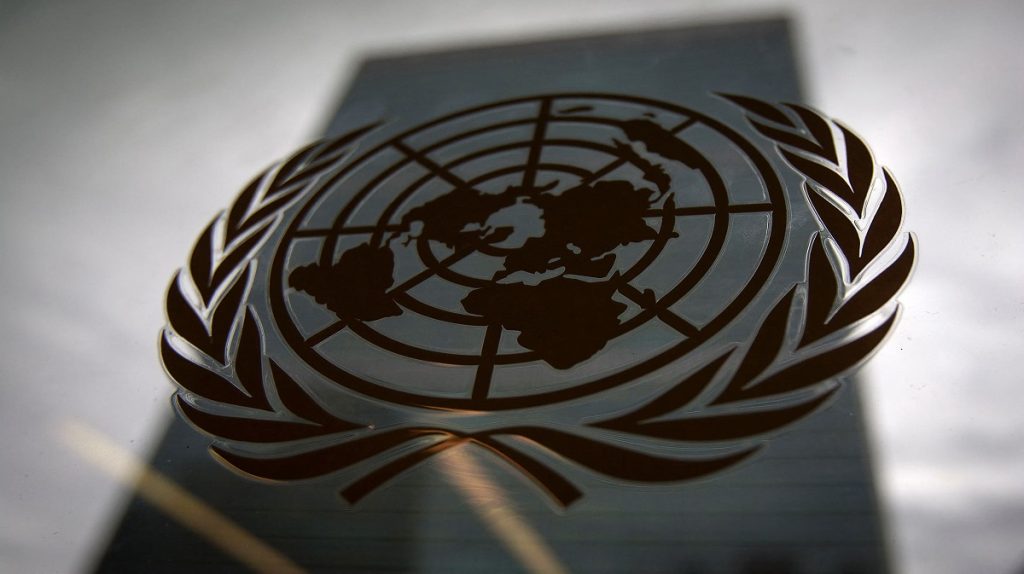
Under the UN Charter, the Security Council has primary responsibility for maintaining international peace and security and is the only UN body whose decisions are legally binding on all Member States. Its mandate includes investigating disputes, urging peaceful settlements, imposing sanctions, authorising peacekeeping missions and, in exceptional cases, approving the use of force.
The Council conducts its work through a mix of public meetings and closed consultations. Open sessions allow Member States, media and the public to follow debates, while closed-door discussions provide space for sensitive negotiations. The body can also convene emergency meetings at short notice in response to rapidly evolving crises.
Non-permanent members are elected annually by the 193-member General Assembly through a secret ballot, with seats allocated by regional group. Candidates must secure a two-thirds majority to win election. Serving on the Council carries significant financial and diplomatic demands, covering staffing, travel and sustained engagement in negotiations.
Latvia’s arrival marks a historic moment, as the country joins the Security Council for the first time. More than 50 UN Member States have never served, highlighting both the prestige and the competition associated with holding a seat.
The new members take office as the Council faces growing paralysis over conflicts including Ukraine and the Middle East. Increasingly sharp divisions among major powers have translated into more frequent use of the veto. While vetoes were rare in the years following the Cold War, they have surged in recent times, with seven used in 2023 and eight in 2024.
Diplomats and analysts view this trend as a reflection of widening geopolitical rifts, which continue to challenge the Council’s credibility and effectiveness. As the new members begin their terms, expectations are high that they will seek to bridge divides, promote dialogue and strengthen multilateral responses to threats to international peace and security.
–UN/ChannelAfrica–


