


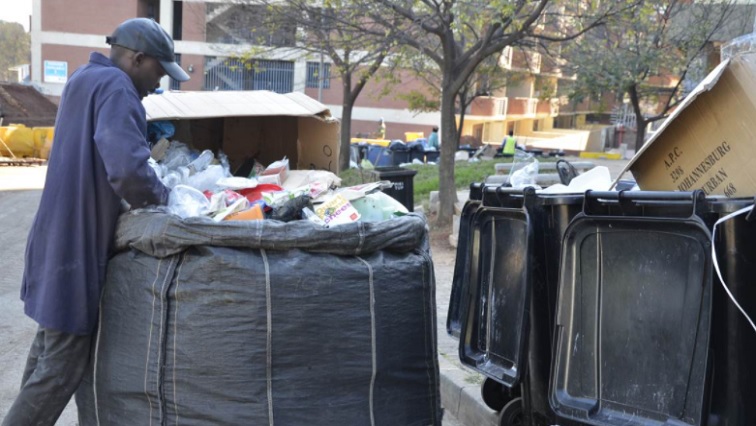
More than 1 billion meals are discarded every day through excessive production, poor planning, spoilage and losses between farms and shops, according to the United Nations (UN) Environment Programme (UNEP).
Food decomposing in landfills releases methane, a powerful greenhouse gas. Resources used to produce discarded food, including land, water and energy, are also wasted. “Using the food we already produce more efficiently can reduce pressure on land and forests and help feed more people,” UNEP Programme Manager Michael Muratha said.
The UN highlighted the issue on September 29, the International Day of Awareness of Food Loss and Waste, with this year’s campaign focusing on forest protection and sustainable agrifood systems.
UNEP said better handling, storage and transport could substantially reduce post-harvest losses.
Cold-chain infrastructure is particularly important for fruit, vegetables and other perishable products.
A cooperative of 179 farmers near Nairobi previously lost up to 40% of crops after harvesting. Cold-storage and refrigerated transport equipment helped preserve more produce. “That’s why it’s really important to take these measures to preserve and conserve and reduce losses of food,” Muratha said.
Improved storage could also help farmers manage droughts, flooding, price changes and supply disruptions.
UNEP is supporting efforts to redirect safe surplus food to vulnerable communities, including children attending daycare centres in underserved areas. “Innovation can help at different points where food is lost or wasted, and it does not always have to be high-tech,” Muratha said.
A Brazilian project teaches communities, food vendors and chefs to use ingredients commonly discarded, including banana peels and broccoli stalks.
Artificial intelligence (AI) is also being used to measure waste and improve purchasing and meal preparation.
In a UNEP-supported project involving 13 hotels, AI tools helped reduce breakfast waste left by customers by 62% within four months.
Food loss and waste cost the global economy more than $1 trillion annually. UNEP said every $1 invested in prevention could save cities $8 and households $84.
“For communities, it means more food reaching people and greater resilience when harvests, prices or supply chains are disrupted,” Muratha said.
“It will not end hunger on its own, but it is an important part of building more secure and sustainable food systems.”
–UN/ChannelAfrica–


