


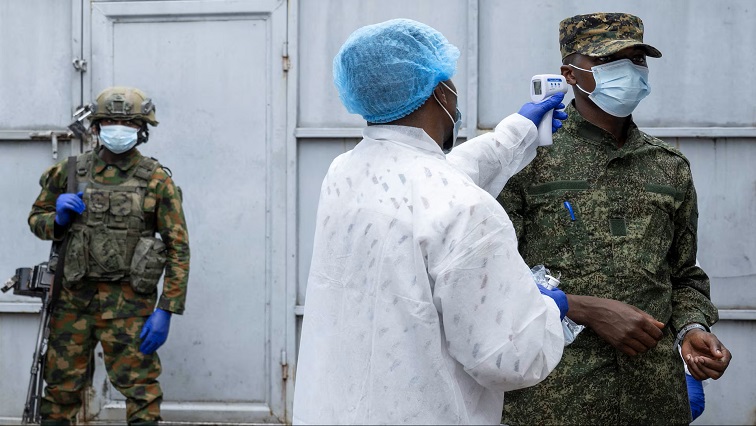
A group of 27 former rebels has been deployed as community mobilisers in Tchomia, in Ituri province, where the outbreak continues to spread. The initiative aims to encourage preventative behaviours and improve community understanding of the disease.
The Ebola outbreak is on course to become the deadliest in the DRC’s history. Health authorities report that more than 2 000 people have died since the outbreak began, with cases continuing to rise across several provinces.
The outbreak is caused by the Bundibugyo variant of the Ebola virus, for which there is currently no approved vaccine. Efforts to contain the disease have been complicated by insecurity, poor infrastructure and limited access to healthcare in affected areas.
The virus has now spread to a sixth province, and concerns are growing that infections could cross into neighbouring South Sudan.
The latest initiative forms part of broader efforts supported by the United Nations Stabilisation Mission in the Democratic Republic of the Congo (MONUSCO), which has assisted in the demobilisation and reintegration of former fighters.
After receiving training on Ebola prevention and the identification of suspected cases, the former combatants were deployed to busy public areas, including markets, town centres and agricultural sites.
The community mobilisers are educating residents on the importance of regular handwashing, recognising Ebola symptoms and reporting suspected infections to health authorities as quickly as possible.
“The idea here is to make these former combatants and community members active participants in the fight against Ebola,” said Florent Nzama, Coordinator of a local NGO network.
MONUSCO said the programme serves both public health and peace-building objectives.
The eastern DRC has endured decades of conflict involving armed groups, resulting in widespread displacement and instability. By involving former combatants in community-based activities, authorities hope to strengthen trust and social cohesion while supporting disease control efforts.
A MONUSCO representative said the initiative demonstrates how former fighters can contribute positively to society following demobilisation. “This action illustrates their involvement in community life after demobilisation,” the Representative said.
Health officials continue to stress that community engagement remains critical to controlling the outbreak. Mistrust, insecurity and misinformation have frequently hampered response efforts in affected areas.
Authorities hope the involvement of former combatants, many of whom are known within local communities, will help improve the reach and effectiveness of public health messaging as the DRC battles one of the most serious Ebola outbreaks in its history.
–UN/ChannelAfrica–


