

The G20 operates on state participation, not presidential presence, meaning decisions can still stand even if Washington sends no delegation, says Professor Dirk Kotzé, senior lecturer in the Department of Political Sciences at the University of South Africa (SA).
Speaking to Africa Update, Kotzé explained that while it is unlikely the White House or any member of the executive will attend this weekend’s summit in Johannesburg, the United States (US) could still opt to send a senior diplomat from its Pretoria embassy, a decision that ultimately rests with President Donald Trump.
He pointed out that G20 membership “is about the state,” noting that countries often send Prime Ministers, Foreign Ministers, or other senior officials when heads of state are unavailable.
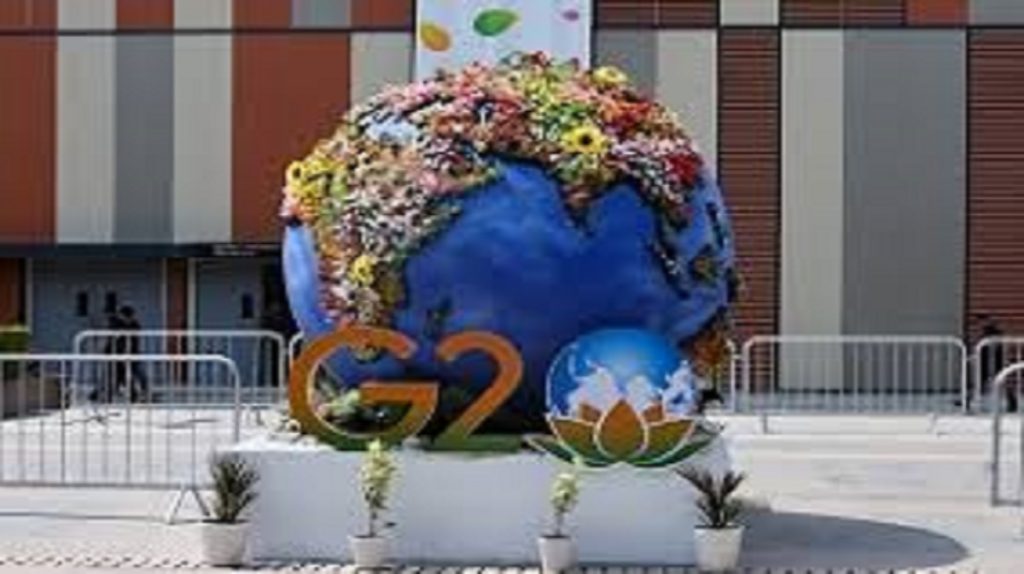
Although the absence of the world’s largest economy carries political significance, Kotzé said it would not invalidate the summit’s outcomes. The G20 is an informal dialogue platform with no binding decision-making powers, secretariat, or permanent structures, designed to foster consensus among the world’s major economies.
Looking ahead to 2026, when the US will hold the G20 Presidency, SA is expected to remain actively involved in preparations as part of the troika comprising the outgoing, current, and incoming Presidencies.
“SA is a full member and cannot be prevented from attending next year’s summit,” he said.
Kotzé added that this weekend’s summit will be closely watched to see which leaders attend and where disagreements may emerge, given current global political and economic tensions.
“There is more than enough reason for an active and vibrant debate,” he said.
–ChannelAfrica–


