

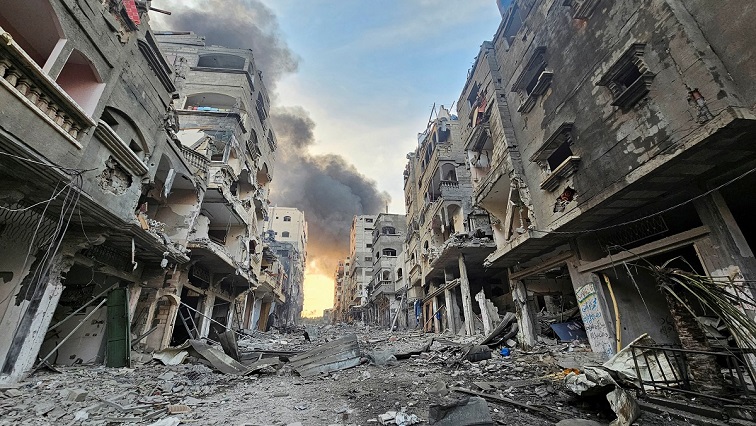
Local recovery teams and civil defence personnel continue conducting difficult search operations across the Gaza Strip, despite severe shortages of equipment, fuel and specialised resources needed to clear debris and recover human remains.
In Gaza City, excavation teams are working through the remains of heavily damaged residential buildings where victims are believed to remain trapped beneath collapsed structures.
Local recovery worker Asaad Shreim said one destroyed building was thought to contain the remains of 44 people. “This building was believed to contain the remains of 44 victims. So far, we have only been able to recover 13 of them,” said Shreim.
According to the United Nations (UN), the removal of millions of tonnes of rubble remains a major challenge. Recovery efforts have been slowed by limited access to heavy machinery and the presence of unexploded ordnance scattered throughout damaged areas, creating significant risks for search teams.
For many families, the long wait to recover the remains of loved ones has added to the trauma of loss.
Among those waiting is Gaza resident Ramez Nabhan, who lost several family members during an airstrike in the early stages of the war. “I was a father of three children, and I had a wife, and I lost them all at the beginning of the war,” said Nabhan.
According to Nabhan, rescue efforts during the first months of the conflict were hampered by a lack of equipment, fuel and safe operating conditions, preventing many bodies from being recovered at the time. “There was no equipment to extract bodies, no fuel or necessary resources were available, and the conditions were not safe for rescue teams to operate,” said Nabhan.
Recovery teams have since located some of Nabhan’s relatives, with remains placed in designated bags pending identification and burial procedures.
For many families, the process of recovering remains has reopened emotional wounds. “It is extremely difficult for the wound to reopen,” said Nabhan. “These are my children, and there are no words that can describe what I feel inside.”
The UN said the passage of time is making identification increasingly difficult because of natural decomposition and limited forensic and DNA-testing capacity.
–UN/ChannelAfrica–


