

The organisations met on July 7 as part of a high-level coordination group established in April to strengthen support for countries affected by the conflict and to assess developments in global energy, trade and financial markets.
In a joint statement released after the meeting, the institutions said the global economy has remained broadly resilient despite ongoing uncertainty. However, the impact of the conflict has been uneven, with some economies experiencing slower growth and rising inflation.
According to the group, the war has disrupted energy supplies, affected food security, influenced commodity markets and weakened economic activity across several regions. The institutions warned that concerns about growth and price stability remain elevated despite signs of improvement in some areas.
The statement noted that fuel and fertiliser prices have declined since the previous meeting in June. Even so, uncertainty remains high, and some effects of the conflict could persist for an extended period.
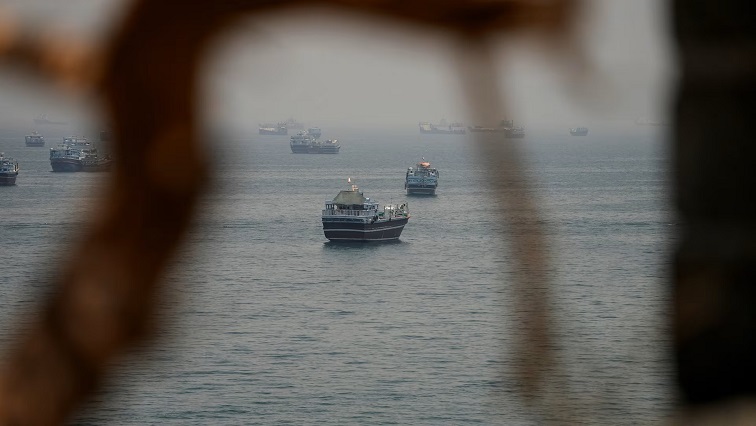
The organisations reiterated support for efforts aimed at resolving the conflict and reopening the Strait of Hormuz, a key route for global energy shipments and international trade. The institutions said energy markets and global supply chains continue to face pressure, underlining the need for governments and international organisations to remain alert.
The IEA, IMF, World Bank Group and WTO urged countries to work together to uphold freedom of navigation through the Strait of Hormuz and other major trade routes. The institutions also called for measures to support economic recovery, protect jobs and livelihoods, and strengthen both energy and food security.
The organisations highlighted the importance of investing in port infrastructure, improving trade facilitation and building resilience against future global shocks.
The statement emphasised that cooperation between governments and international institutions remains essential as the situation evolves.
The four organisations pledged to continue monitoring developments closely and to maintain readiness to respond if conditions deteriorate. The institutions also committed to adapting support programmes to meet changing needs, with a focus on improving energy security, food systems, trade resilience and broader economic stability in vulnerable countries.
–IMF/ChannelAfrica–





