


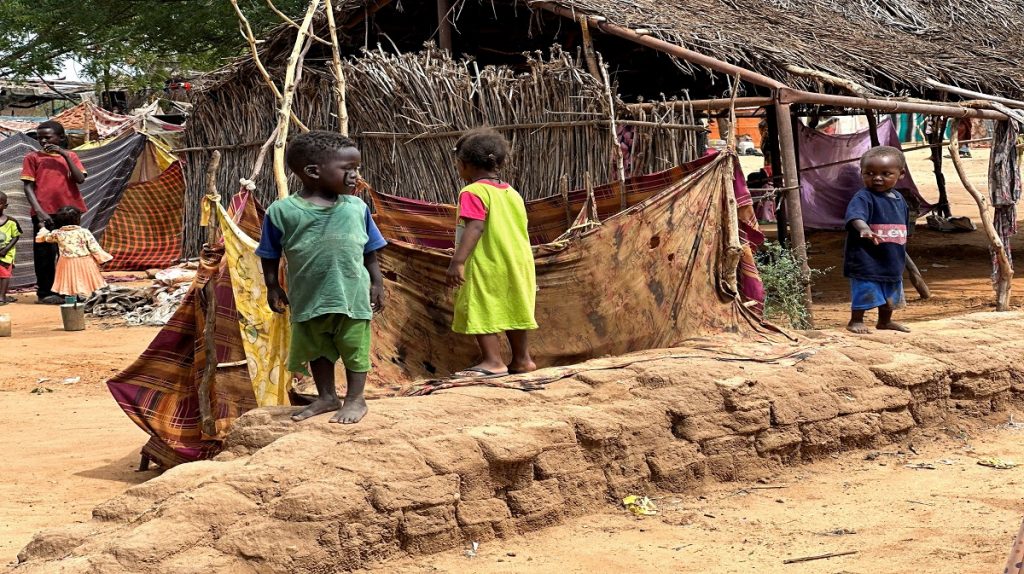
The findings highlight a worrying slowdown in global progress on child survival, with experts warning that many of these deaths were entirely preventable.
The Levels and Trends in Child Mortality report, produced by the UN Inter‑agency Group for Child Mortality Estimation, shows that while under‑five deaths have more than halved since 2000, the rate of decline has slowed by over 60% since 2015. For the first time, the analysis integrates global estimates on causes of death, offering a complete picture of how many children are dying, where and why.
One of the report’s most alarming findings is that more than 100 000 children aged between one month and five years died directly from severe acute malnutrition in 2024, with Pakistan, Somalia and Sudan among the worst affected. The actual toll is likely higher, as malnutrition weakens immunity and increases vulnerability to other illnesses.
“No child should die from diseases that we know how to prevent. But we see worrying signs that progress in child survival is slowing, and at a time when we are seeing further global budget cuts,” said UN Children’s Fund Executive Director Catherine Russell.
Infectious diseases remain a major threat. The nine leading infections account for 43% of under‑five deaths globally. Malaria, diarrhoea and pneumonia continue to be among the most common killers, particularly in high‑burden countries such as Chad, the Democratic Republic of Congo, Niger and Nigeria. Conflict, climate shocks, invasive mosquitos and drug resistance have further weakened prevention and treatment efforts.
Newborn deaths now make up nearly half of all under‑five mortality. Complications from preterm birth and complications during labour and delivery remain leading causes, alongside infections. The report warns that gains in reducing neonatal deaths have stagnated.
Sub‑Saharan Africa accounted for 58% of all under‑five deaths in 2024, while Southern Asia represented 25%. Children in conflict‑affected settings are almost three times more likely to die before the age of five.
The report also recorded 2.1 million deaths among people aged 5 to 24.
While younger children continue to die from infections and injuries, risks shift in adolescence, with self‑harm becoming the leading cause of death among girls aged 15 to 19, and road traffic accidents topping the list for boys.
The UN’s Under‑Secretary‑General for Economic and Social Affairs, Li Junhua, said the findings are “a stark reminder” that many countries are far off track to meet the Sustainable Development Goal targets on child survival. He emphasised the need for renewed political commitment, stronger primary healthcare systems and better data.
“We know how to prevent these deaths,” he said. “What is needed now is sustained investment and a commitment to ensure no child is left behind.”
The report stresses that investments in child health, including vaccines, nutrition support and skilled care at birth, remain among the most cost‑effective development measures capable of saving millions of lives.
–UN/ChannelAfrica–


