

A joint statement said the war was generating substantial, highly asymmetric impacts on energy supplies, food security and economic activity across countries and regions. The statement said the global economy continued to show resilience. Still, vulnerable countries were facing disproportionate pressure from higher fuel and fertiliser prices, increased uncertainty, and risks to jobs and livelihoods.
The statement said higher fertiliser prices were a particular concern as many countries entered the planting season.
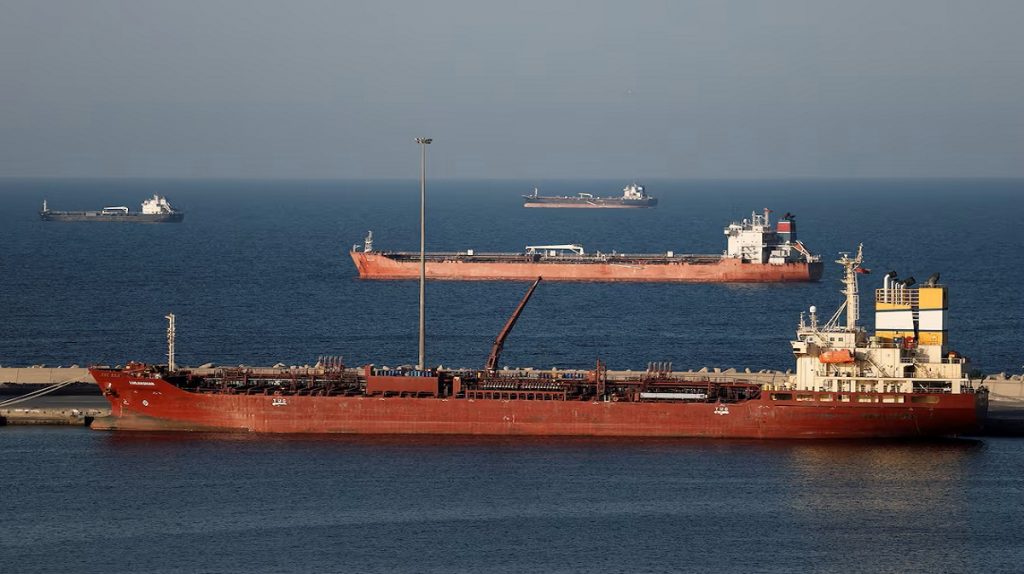
The four institutions also warned that global oil inventories were being drawn down at a record pace in response to the major loss of supply through the Strait of Hormuz. The statement said a failure to restore shipping flows to normal would increase risks to fuel security, market conditions and broader economic resilience, especially ahead of peak summer oil demand in the Northern Hemisphere.
The meeting reviewed the effects of the conflict, assessed conditions in the most affected countries and regions, and considered options for coordinated support. The Heads also discussed ways to strengthen collective backing through multilateral and bilateral action.
The statement highlighted the importance of close monitoring of fertiliser supply chains, energy developments, economic conditions and policy responses. The four institutions said government measures aimed at addressing the economic effects of the conflict were being tracked and analysed to promote transparency, share lessons, and identify emerging risks.
The statement said the institutions would remain in close contact as conditions evolved and would continue coordinating support for the countries most affected, as well as for global economic stability.
The joint statement placed particular emphasis on the combined effect of supply disruptions, higher input costs and uncertainty on vulnerable economies.
–IMF/ChannelAfrica–





