The Poverty, Prosperity, and Planet Report 2026 said the extreme poverty rate remained at about 10%, unchanged since 2019. Had progress continued at the pace recorded between 2000 and 2013, another 243 million people would have escaped extreme poverty.
Nearly half of humanity, or 3.7 billion people, lived on less than $8.30 a day, leaving many vulnerable to returning to extreme poverty after economic, conflict-related or climate shocks.
Poverty has become increasingly concentrated in Sub-Saharan Africa and countries affected by fragility and conflict.
More than half of the world’s extremely poor people lived in nine economies. By 2030, 87% are expected to live in Sub-Saharan Africa, fragile and conflict-affected economies or both.
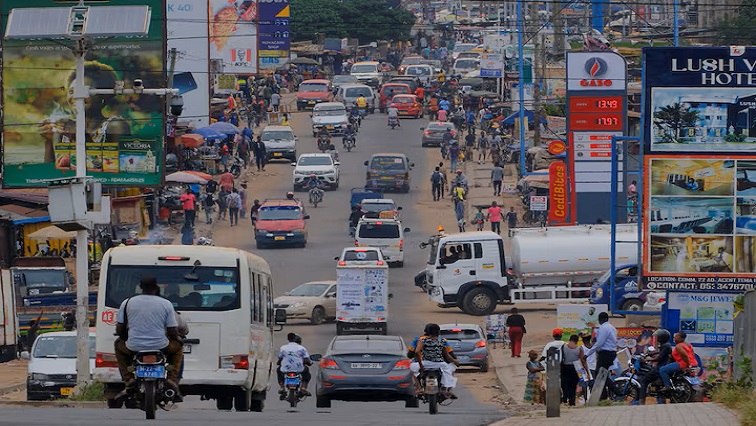
Sub-Saharan Africa accounted for 72% of the global extreme poor in 2026, up from 14% in 1990. The region had about 586 million people living below the $3 daily threshold.
The Report warned that the global number and share of people experiencing extreme poverty could increase by 2030 if economic growth remained at the pace recorded between 2015 and 2024.
Jobs were identified as the most direct pathway out of poverty because human capital was frequently the only productive asset available to poor households.
Poor adults worked at rates only six percentage points below nonpoor adults, but poor workers worked three to four fewer hours each week and supported about three times as many dependants.
Employment among poor households declined in 88 of 138 economies between 2003 and 2024.
Raising employment in poor households to 75% of working-age adults could reduce extreme poverty by about one-fifth. Raising employment among women alone could achieve a similar reduction.
Education could deliver larger gains. Raising poor workers’ educational attainment to the average level among nonpoor workers could cut extreme poverty by nearly half.
Moving poor workers into wage employment could reduce extreme poverty by 21%, while shifting workers from agriculture into nonagricultural activities could reduce the rate by 18%.
The World Bank said poverty reduction required both increased employment and improved earnings, with higher pay helping the poorest households most and additional jobs primarily benefiting households close to the poverty line.
–WorldBank/ChannelAfrica–