


“Star Wars: Starfighter” is filming in Britain, soundstages in Hungary are packed, and post-production houses in Australia are humming, as the global film industry keeps rolling.
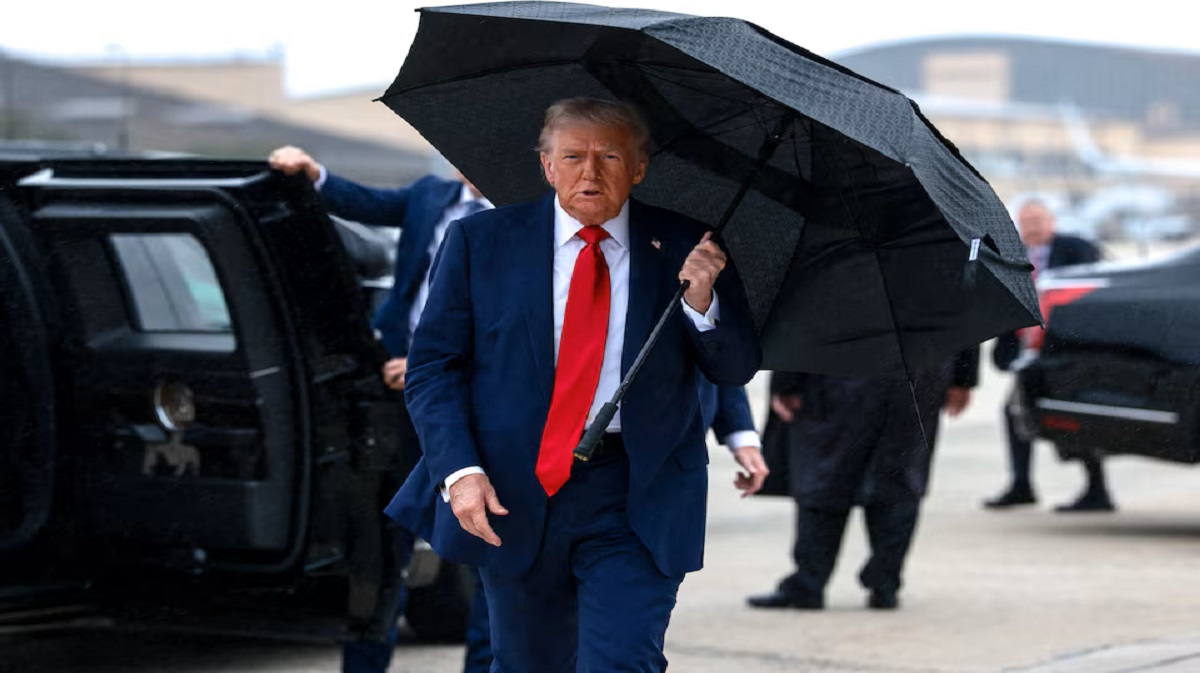
This, despite United States (US) President Donald Trump’s renewed threats to impose tariffs on movies made outside of the US.
Trump has proposed levying a 100% tariff on films produced overseas to stem the loss of film jobs to production hubs around the world, reviving an idea he first broached in May.
The initial call for tariffs jolted the film world and temporarily halted projects and international movie finance deals as producers evaluated the potential impact of the levy on each project’s financial viability, two sources familiar with Hollywood motion-picture financing told Reuters.
This time around, the reaction has been more muted.
“Other than the initial flurry of ‘Oh, he’s said it again,’ people are not taking it as seriously as they did the first time around,” said Lee Stone, a partner at London law firm Lee & Thompson, who worked on the Emmy-winning Netflix show “Adolescence.”
Trump initially called for a 100% tariff on movies produced outside the country in early May, to stave off the “very fast death” of the American film industry as incentives lured filmmakers to production hubs around the world. The announcement, just weeks before the Cannes Film Festival, caused a panic.
“It was terrible timing. Everyone was saying, ‘What’s going to happen?'” said Stone, noting that Trump’s threat resulted in temporary paralysis. “I’m not getting the impression that there’s the same pause this time.”
Newly released data from industry researcher ProdPro reveals that while overall spending is down 15% from last year, amid a pullback in scripted television series and big-budget feature films, there is no evidence that Hollywood is abandoning global production hubs.
“We’re not seeing anything in the data that suggests studios are opting to film more of their production in the US because of concern about the tariffs,” said ProdPro CEO Alexander LoVerde.
–Reuters–


