


The 2026 Global Report on Food Crises, released on Friday by a coalition of United Nations (UN) agencies, the European Union and partner organisations, estimates that 266 million people across 47 countries experienced high levels of acute food insecurity during 2025. The total represents nearly a quarter of the population assessed and almost double the share recorded in 2016, pointing to a crisis that is both widespread and increasingly entrenched.
Food and Agriculture Organisation Director‑General Qu Dongyu warned that the pattern is no longer short-term. Acute food insecurity, Qu Dongyu said, is becoming “persistent and recurring”, signalling structural stress rather than a temporary shock.
Conflict continues to fuel the largest share of severe hunger globally, accounting for more than half of people facing the most serious food insecurity. The report identifies Afghanistan, Bangladesh, the Democratic Republic of the Congo, Myanmar, Nigeria, Pakistan, South Sudan, Sudan, the Syrian Arab Republic and Yemen as the 10 countries carrying the bulk of the burden.
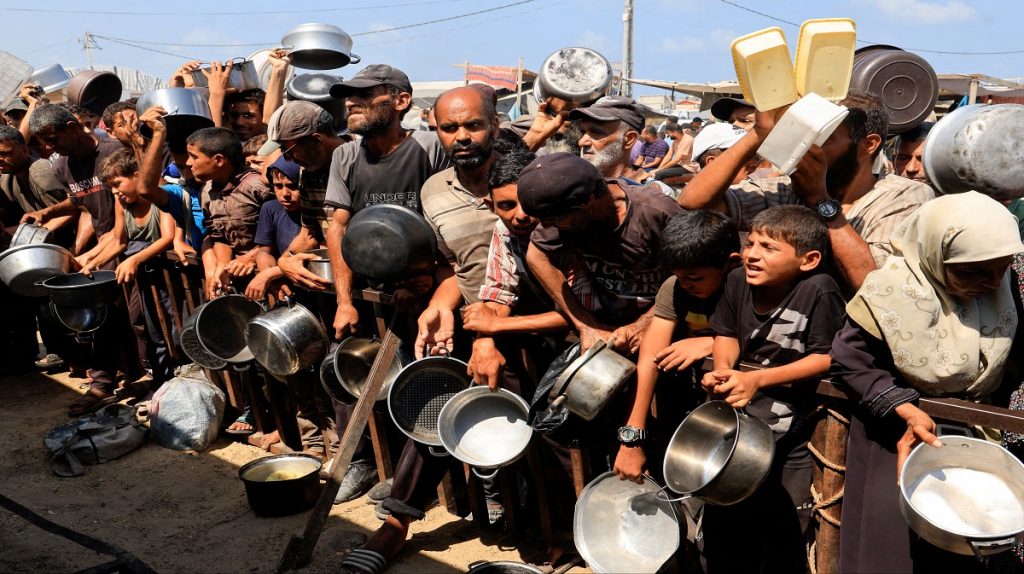
At the most extreme end, famine was confirmed in 2025 in Gaza and parts of Sudan, marking the first time the report has recorded two separate famines in a single year.
UN Secretary‑General António Guterres, writing in the foreword, called the findings a “call to action”, urging a rapid scale‑up of lifesaving aid and intensified efforts to end conflicts driving hunger.
The report notes a sharp escalation in the severity of hunger. More than 39 million people in 32 countries faced emergency levels of food insecurity. The number of people experiencing catastrophic hunger has risen ninefold since 2016.
Children remain among the hardest hit. In 2025, an estimated 35.5 million children were acutely malnourished, including nearly 10 million suffering from severe acute malnutrition. UN Children’s Fund Spokesperson Ricardo Pires warned that severe wasting weakens immune systems to the point where ordinary childhood illnesses can become fatal.
Forced displacement continues to intensify hunger. More than 85 million people were displaced across food‑crisis contexts last year, with displaced communities repeatedly facing higher hunger levels than host populations. UN refugee Chief Barham Salih warned that humanitarian aid alone cannot break the cycle linking conflict, displacement and food insecurity.
–UN/ChannelAfrica–


