


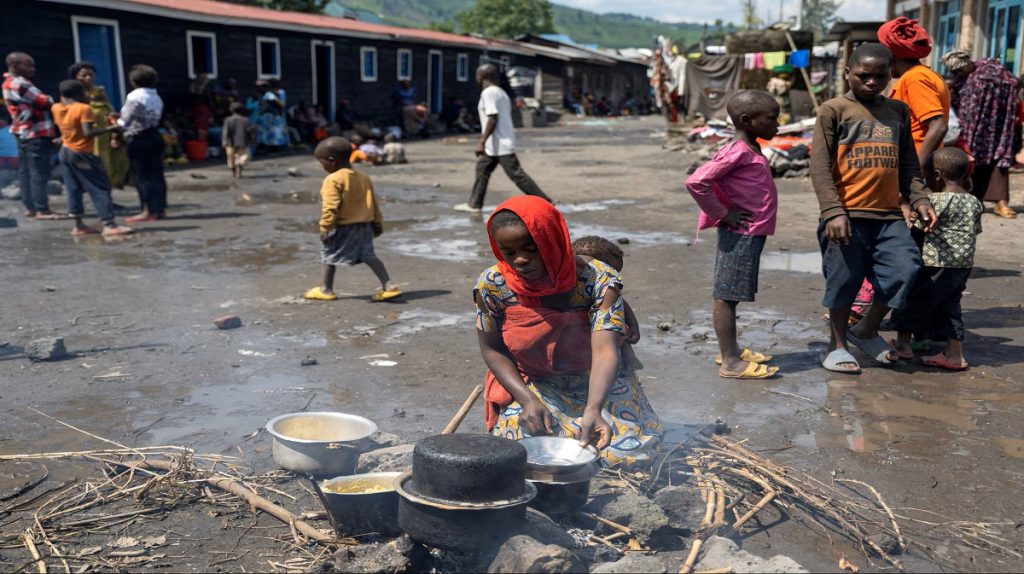
The UN agency warns that one in six school‑age children is now excluded from education, while only two in three complete secondary school.
The report highlights a worrying slowdown in global progress since 2015, with conflict, demographic pressures and economic instability among the main drivers of the setback. Sub‑Saharan Africa remains the most affected region, with rapid population growth and protracted crises pushing millions of learners out of classrooms.
“Progress in keeping children in school has slowed across almost every region,” the report states. In conflict zones, the impact is even more severe. UNESCO cautioned that official statistics underestimate the true scale of disruption, as many children displaced by violence are not captured in national data systems.
Despite the setbacks, the GEM Report notes that significant gains have been made over the last two decades. Since 2000, global enrolment has expanded dramatically, with “more than 25 additional children accessing school every minute”. Several countries have achieved notable successes in reducing out‑of‑school rates and widening access to early childhood, primary and secondary education.
However, UNESCO warns that these gains risk being reversed without urgent action. The report emphasises that no single policy can address the diverse causes of educational exclusion. Instead, it calls for a combination of targeted interventions, from strengthened social protection and inclusive schooling policies to improved funding and conflict‑sensitive education planning.
The agency also stresses the need for long‑term investment to ensure that all children not only attend school but have access to quality learning. “Education systems must adapt to increasingly complex global challenges,” the report concludes, urging governments and donors to step up support.
With conflict expanding in regions such as the Middle East and the Horn of Africa and economic pressures mounting worldwide, UNESCO says that safeguarding the right to education will require renewed political commitment and sustained resources.
–UN/ChannelAfrica–


