
The IMF and Guinean authorities agreed on policies to support a 41-month Extended Credit Facility arrangement following discussions held in Conakry from June 16-29.
The proposed programme, equivalent to 145% of Guinea’s IMF quota, remains subject to approval by IMF management and the Executive Board in September. The Board is also expected to conclude Guinea’s 2026 Article IV consultation.
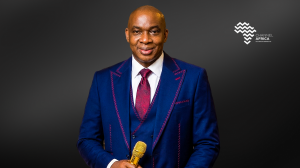
IMF Mission Chief Izabela Karpowicz said Guinea is entering an important economic period as production begins at the Simandou iron ore project and mining activity expands. “Guinea is at an important economic juncture as the Simandou iron ore project enters production and mining activity expands, creating significant opportunities to support higher growth and revenue mobilisation,” Karpowicz said.
The proposed programme is intended to help Guinea convert growing mining revenues into lasting development gains through investment in infrastructure and people, sound resource management and economic diversification.
The IMF said Guinea’s economy has remained resilient despite repeated shocks, with growth expected to gain momentum over the medium term.
However, inflationary pressures have increased, while fiscal and external buffers remain below desired levels.
Risks include commodity price and financing shocks, spillovers from the war in the Middle East, prolonged cash shortages and slower implementation of reforms. Faster mining expansion and stronger non-mining activity could improve the outlook.
The proposed programme is aligned with Guinea’s national development strategy and Simandou 2040 vision.
Reforms will focus on increasing revenue, particularly from mining, while preserving debt sustainability and creating room for priority spending.
The programme will also support stronger liquidity management, greater exchange rate flexibility, rebuilding foreign exchange reserves and improving preparedness for economic shocks.
Governance and transparency reforms will include changes to central bank governance, the framework governing gold operations and anti-corruption and integrity systems.
Discussions also considered a rules-based fiscal framework for managing natural resource wealth, including the possible establishment of a sovereign wealth fund.
The IMF said policies should help Guinea build human capital, expand employment beyond mining and diversify the economy. “The IMF stands ready to continue supporting Guinea’s reform agenda,” Karpowicz said.
–IMF/ChannelAfrica–





