


Guinea will cut bauxite export volumes by early April to support prices and shield smaller producers, its Mines Minister said this Wednesday, as weak Chinese demand and rising shipping costs squeeze the world’s top supplier of the aluminium feedstock.
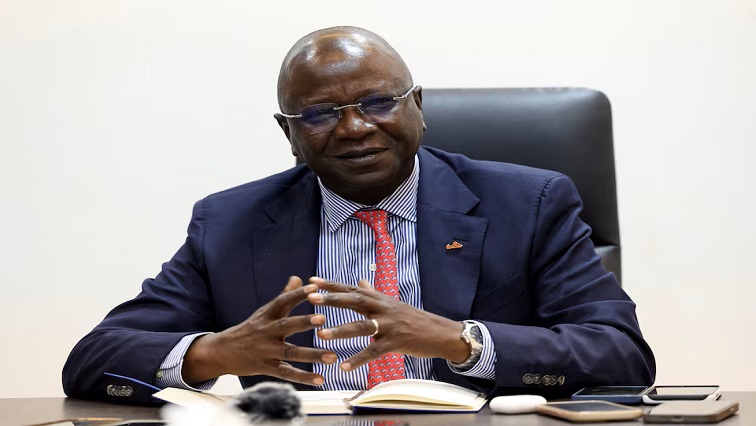
“It’s not really a quota, but we will reduce the volumes we export,” Mines Minister Bouna Sylla told Reuters, ruling out an export ban.
Reuters previously reported Guinea was weighing export curbs to make the sector more profitable while boosting state revenue.
Guinea’s bauxite exports jumped 25% to 183 million metric tons in 2025, with analysts forecasting shipments could hit 200 million tons this year.
LOWER PRICES, HIGHER FREIGHT COST SQUEEZE MARGINS
Bauxite prices have fallen since 2025 due to oversupply, with about 70% of Guinea’s exports destined for China, while freight costs have jumped amid the war in the Middle East, Sylla said.
That has squeezed margins, particularly for smaller miners, raising the risk of bankruptcy and threatening jobs, government revenue and host communities.
African nations are taking tougher steps to earn more from their commodities, imposing export controls, higher royalties and domestic processing requirements.
Sylla said Guinea is talking with mining companies to ensure output and investment in railways, ports and refineries match what was promised when mining licenses were awarded.
MINERS PLANS BEING REVIEWED
The government has asked all bauxite producers to submit production plans covering the next three years, he said, which are being reviewed before the sector-wide curbs are finalised.
That should be “before the end of this month or early April,” Sylla said, following consultations and analyses.
Lower bauxite prices have weighed on corporate income tax receipts, Sylla said, although higher aluminium prices, now above $3 000 per ton, have boosted royalty revenues, partly offsetting the fiscal impact.
Guinea channels 0.5% of mining companies’ revenues into local development funds, meaning prolonged price weakness would impact community projects, including schools and infrastructure, he said.
“All companies will be affected,” Sylla said. “We want more revenue, and they want more sustainable operations.”
Guinea’s mines chamber did not immediately respond to requests for comments.
–Reuters–


